
Are Praying Mantises Good Pets? An Honest Guide to Pros and Cons
Published on: December 2, 2025 | Last Updated: December 2, 2025
Written By: Rowan Hale
Hello mantis friend,
Picture a pet that moves with the soft rustle of dried leaves, its head turning slowly to follow your every move-a living piece of art that brings a slice of the wild into your home. Praying mantises have a quiet magic that draws in curious souls like us.
Praying mantises can be wonderful pets for those who value observation over interaction, offering a unique blend of low maintenance and high fascination, but they require a specific kind of care that won’t suit everyone.
Deciding if a mantis fits your life isn’t a simple yes or no. It’s about balancing their serene presence with needs like live food and humidity control, much like tending a delicate terrarium. My ghost mantis, Luna, reminds me daily how rewarding this balance can be, with her thoughtful pauses and leaflike camouflage.
To give you a clear starting point, here are the core takeaways we’ll unfold in this article:
- The surprising benefits of mantis companionship, from their calming effect to minimal space needs.
- Honest drawbacks, including their short lifespans and the realities of feeding live insects.
- Essential care steps to create a safe, thriving environment for your mantis.
- How to choose a mantis species that matches your experience level and expectations.
Introduction to Praying Mantis Pets
There’s a gentle stillness to a praying mantis, a quietude that fills a room with calm. They perch like tiny green statues, their heads tilting with curious precision as they watch the world go by. It’s a private show of focus and grace, one that invites you to slow down and simply observe. We’re here to walk you through the honest realities of keeping these fascinating insects. This isn’t about selling a dream, but sharing a balanced view to help you see if a mantis companion suits your home. My own journey began with Luna, a Ghost Mantis whose misty brown frills and thoughtful pauses taught me the deep reward of attentive care.
That moment of connection, however silent, is what draws many of us to welcome a mantis into our lives.
The Balanced Scale: Pros and Cons of Mantis Ownership
The Pros: Why We Love Mantis Pets
- They ask for very little space. A modest terrarium or a large glass jar can become a complete world, perfect for a flat or a quiet desk corner. You create a miniature landscape without rearranging your entire room.
- Their homes stay remarkably fresh. With spot cleaning and proper ventilation, a mantis enclosure carries only the clean, earthy scent of damp substrate and leaves. There’s no lingering pet odor to worry about.
- Feeding time is a captivating spectacle. Watching a mantis track and strike its live prey is a lesson in natural precision. You might hear the soft rustle of movement followed by the deliberate crunch, a raw glimpse into the insect world’s rhythms.
- They are masters of peaceful observation. A mantis offers companionship through its presence alone. Their slow, deliberate movements and molting rituals-like the careful splitting of old skin-provide a quiet focus that can ease a busy mind.
Mantises offer a unique window into insect behavior without the demands of a traditional pet, giving you a front-row seat to nature’s smaller dramas.
The Cons: The Realities to Consider
- Their lifespans are comparatively short. Most pet mantises live for about a year, which means your time together is brief and poignant. Their passing is a quiet, natural event that keepers learn to accept as part of the cycle.
- They require live food. You’ll need a reliable source of feeder insects like fruit flies or crickets. This means planning ahead and considering the ethics of raising or purchasing live prey, which isn’t for everyone.
- Molting is a fragile process. During this vulnerable time, a fall or a drop in humidity can be fatal. Your role is to provide a secure, clutter-free space with the right moisture-like a gentle mist in the air-to support them.
- Interaction is based on observation, not recognition. Your mantis won’t greet you or seek affection. Their responses are instinctual, focused on food and environment, not on forming a bond with you as an owner.
With proper knowledge, these realities become manageable parts of the care routine, not insurmountable obstacles for a prepared keeper.
Choosing Your Mantis Companion: Beginner-Friendly Species
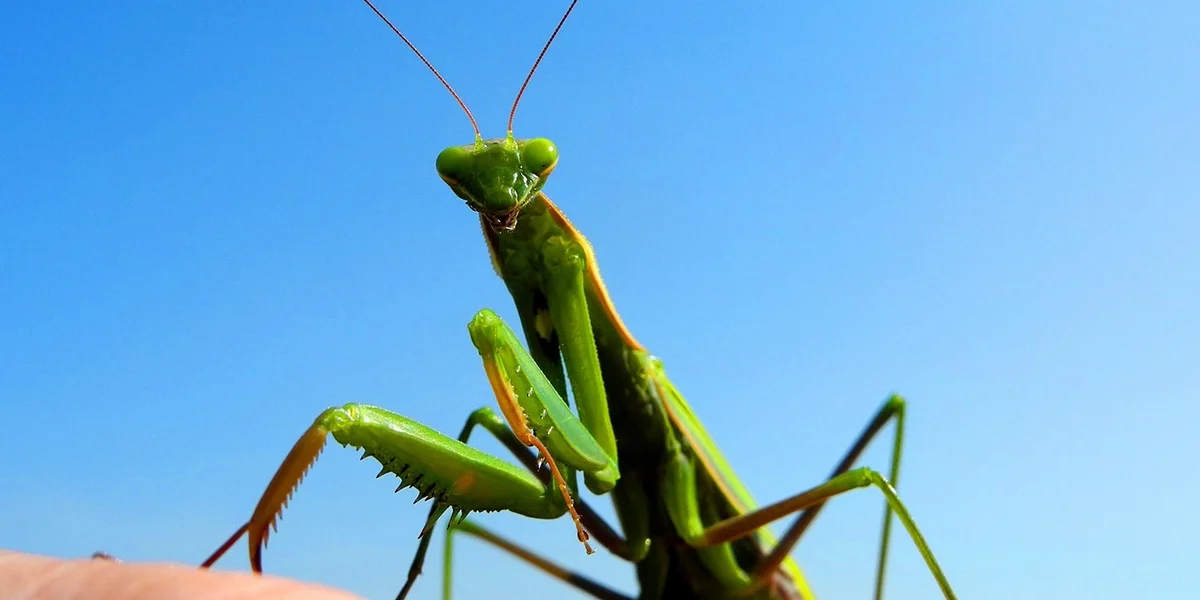
Selecting your first mantis feels a bit like choosing a quiet friend from a miniature jungle — each species has its own personality and care needs. We find that starting with a beginner-friendly type builds confidence and lets you enjoy the simple wonders of mantis keeping without overwhelm. For beginners, choosing the right mantis species matters. It keeps care simple and enjoyable. Let’s look at some common companions.
A Quick Comparison of Beginner Species
This table outlines key traits to help you match a mantis to your lifestyle and experience level.
| Species | Temperament | Care Difficulty | Adult Size |
|---|---|---|---|
| Giant Asian Mantis | Curious, active, bold feeder | Easy | 3-4 inches |
| Ghost Mantis | Calm, slow-moving, delicate | Easy | 2-2.5 inches |
| Orchid Mantis | Shy, patient, striking appearance | Moderate | 2.5-3 inches |
| Carolina Mantis | Hardy, adaptable, gentle | Easy | 2-2.5 inches |
Meet the Mantises: Personal Stories from the Terrarium
Beyond the facts, each species brings a unique character to your home. These little anecdotes from our own terrariums might help you imagine which mantis could be your perfect pet.
Giant Asian Mantis
Our male Moss was a vibrant emerald explorer who treated every new branch like a grand adventure. He would tap his forelegs on the glass with quiet curiosity, always the first to investigate a dropped fruit fly or a change in his enclosure. This species thrives on interaction and forgives the occasional beginner’s mistake with hearty appetites.
Ghost Mantis
Luna, our ghost mantis, moved with the slow grace of a drifting leaf. Her misty brown frills and thoughtful head tilts taught us the beauty of patience, as she might wait minutes, perfectly still, before making a delicate strike. She’s ideal if you prefer a pet that embodies calm observation over bustling activity.
Orchid Mantis
Juvenile Sprig was a bloom of pink and white who hid among fake flowers until feeding time revealed her bold spirit. Keeping her taught us about precise humidity, but the reward was watching her petal-like arms shimmer under the lamp, a living work of art. She suits a keeper ready for a bit more attentive care.
Carolina Mantis
Our Carolina, whom we called Thistle, had a rustic brown beauty and a wonderfully steady demeanour. She was a hardy soul who adapted easily to handling, often climbing onto a offered finger with gentle, deliberate steps. As a native species in many areas, she feels like a welcoming piece of the local garden brought indoors.
Finding Your Mantis Companion
Once you’ve chosen a species, the next step is sourcing your new friend responsibly. Looking for praying mantis pets for sale leads you to two main avenues: reputable online breeders and local exotic pet shops. For a smooth start, a care, handling, and behavior guide for pet praying mantises can help you assess options and prepare the right setup. This guide covers feeding, housing, and safe interaction to support responsible ownership.
Online sellers often provide the widest selection, including oothecae (egg cases) for those wanting to witness the full life cycle. We recommend vendors with clear photos, detailed care sheets, and positive reviews from the mantis-keeping community. Local shops allow you to see the mantis’s health and activity firsthand—just ask about their sourcing to ensure ethical breeding. For those specifically interested in eggs, our reliable sources guide on where to buy praying mantis eggs highlights trusted breeders and transparent sourcing. It helps you compare hatch rates, shipping practices, and care requirements to ensure you receive viable oothecae. Always avoid taking mantises from the wild, as captive-bred individuals are generally healthier, more accustomed to enclosure life, and better for local ecosystems.
Creating a Mantis Home: Enclosure Setup and Environment
Essential Enclosure Elements
-
Your mantis needs a space that feels both secure and airy, much like a sheltered nook in a sun-dappled forest. We recommend well-ventilated enclosures, such as fine mesh cages or glass terrariums with mesh tops, to prevent stagnant air. The size depends on your mantis: for most species, an enclosure height of at least three times your mantis’s length is perfect for safe molting. My Giant Asian mantis, Moss, thrived in a 12-inch tall mesh cube, giving him room to explore and hang freely.Choosing the right home is your first step toward a healthy, active mantis.
-
The floor and furnishings of the enclosure should mimic a natural, textured landscape. Safe substrate options include plain paper towel for easy cleaning or eco-friendly coconut fiber for holding humidity. Add climbing structures like sterilized twigs, bamboo poles, or silk plants-anchor them securely to the sides or substrate. These give your mantis places to perch, hunt, and, most importantly, hang upside-down when it’s time to shed its skin.Proper decor turns a simple container into a stimulating habitat that encourages natural behaviors.
-
Mantises cherish stability, so aim for a climate reminiscent of a warm, misty morning. Most species do well with daytime temperatures between 70-85°F; a small heat mat on one side of the enclosure can create a gentle gradient. Humidity levels of 50-70% are often ideal, which you can maintain with light daily misting using lukewarm water. My Orchid mantis, Sprig, always perked up after a gentle spray, her pink petals glistening with droplets.Consistent temperature and humidity are the silent guardians of your mantis’s health and successful molts.
-
Lighting should be soft and indirect, avoiding any harsh, direct beams. Place the enclosure in a room with ample natural daylight but out of direct sun, or use a low-wattage LED bulb placed nearby for a day-night cycle. Never use heat lamps directly on the enclosure, as they can quickly cause dangerous overheating and dehydration.Think of the lighting as a soft, ambient glow that replicates the dappled light of their natural habitat.
Step-by-Step Setup Guide
-
Begin with a clean slate to ensure no residues harm your new friend. Wash the enclosure thoroughly with warm water-avoid soaps or chemicals-and let it dry completely. This fresh start removes dust and any potential contaminants.A pristine environment is the foundation for preventing illness and stress.
-
Lay your chosen substrate evenly across the bottom. Then, add and securely anchor your climbing décor; press sticks into the substrate or use aquarium-safe silicone to attach them to the walls for stability. This prevents collapses that could startle or injure your mantis.Well-secured branches and plants provide the confidence your mantis needs to explore its vertical world.
-
Hydration comes next. Include a very shallow water dish with pebbles to prevent drowning, or simply rely on a fine misting bottle. Misting the enclosure lightly each morning mimics dew and provides drinking water, much like the humid air my Ghost mantis, Luna, seems to breathe in deeply.Regular, gentle misting keeps humidity perfect and offers your mantis a refreshing drink.
-
Find a final spot for the home. Position the enclosure in a quiet, low-traffic area away from drafts, direct sunlight, and loud noises. A peaceful corner allows your mantis to feel secure and observe its surroundings without stress.A calm location helps your mantis settle in and display its full, fascinating personality.
Daily Care: Feeding, Handling, and Observation
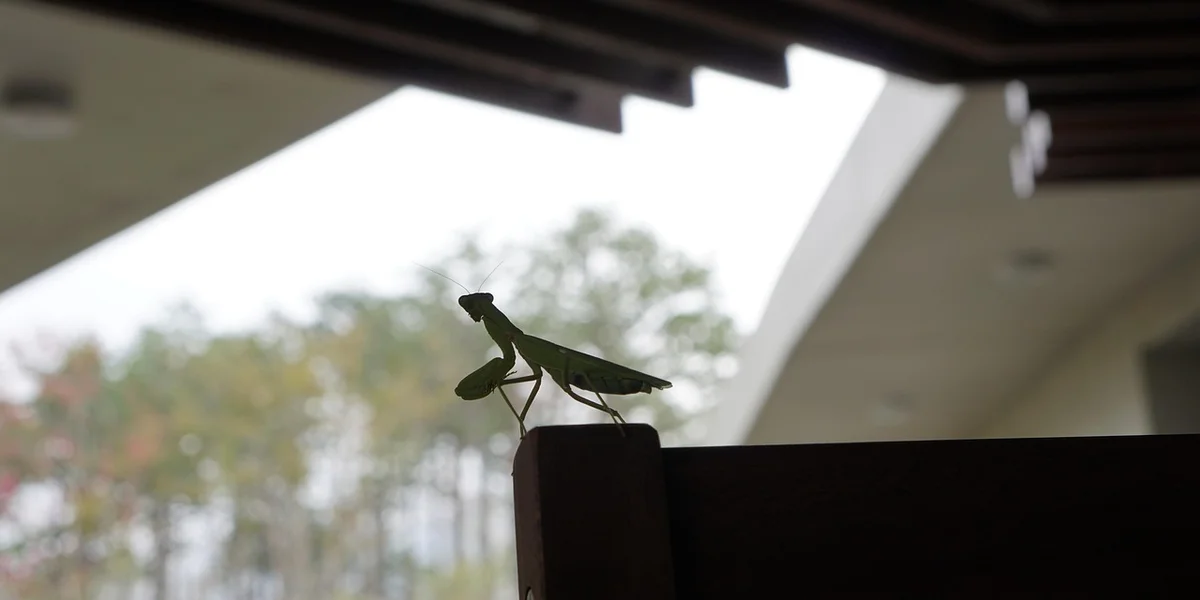
Feeding Your Mantis
Feeding your praying mantis is a straightforward ritual that quickly becomes a peaceful part of your routine. Sticking to a schedule of every two to four days provides consistent nourishment without overfeeding, which can stress their delicate digestive systems. Knowing how often helps maintain their health and vitality.
-
Young nymphs thrive on tiny, live prey like flightless fruit flies, which are easy for them to capture. To support this transition, gradually phase out fruit flies as they grow and begin requiring larger prey. As they mature, you can offer larger insects such as small crickets, dubia roach nymphs, or mealworms. My giant Asian mantis, Moss, made the jump from fruit flies to quarter-inch crickets after his fourth molt, and his vibrant green colour seemed to deepen with each successful hunt.
-
Gut-loading your feeder insects is a simple step that makes a big difference. Feed them nutritious vegetables like carrot or commercial gut-load formula about 24 hours before they become a meal. This process transfers vital nutrients to your mantis, supporting stronger molts and longer life. We always recommend against using wild-caught prey, as they can harbour pesticides or parasites that pose a silent risk to your pet. This topic is a core part of our ultimate guide to gut loading feeder insects mantises, helping you maximize nutrition for healthier mantises. Mastering this step ensures your mantis gets optimal nutrients from each meal.
-
Observation during feeding is your best tool for a health check and a quiet moment of connection. Notice the speed of their strike, their grip on the prey, and their overall enthusiasm. With my ghost mantis, Luna, a slow, deliberate capture often means she’s feeling secure and observant in her surroundings.
Safe Handling Practices
Handling a mantis is a privilege, not a right-it’s about respecting their space and learning their comfort cues. Successful handling always begins with invitation, not imposition, letting the mantis move at its own pace.
-
Open your hand slowly and place it near the mantis, allowing them to step onto you willingly. Keep movements fluid and avoid casting sudden shadows. Limit these interactions to under five minutes to prevent fatigue or stress, which is especially important for smaller or shyer species like orchid mantises.
-
Learn to read the signs of discomfort: a defensive stance with forearms raised, a hunched posture, or rapid abdominal pulsing. If you spot these signals, gently guide your mantis back to its enclosure-they’ll thank you for it. It’s wise to avoid handling altogether when your mantis is in pre-molt; their skin becomes taut and sensitive, and they need complete stillness to shed properly.
Understanding Mantis Health: Molting and Common Concerns
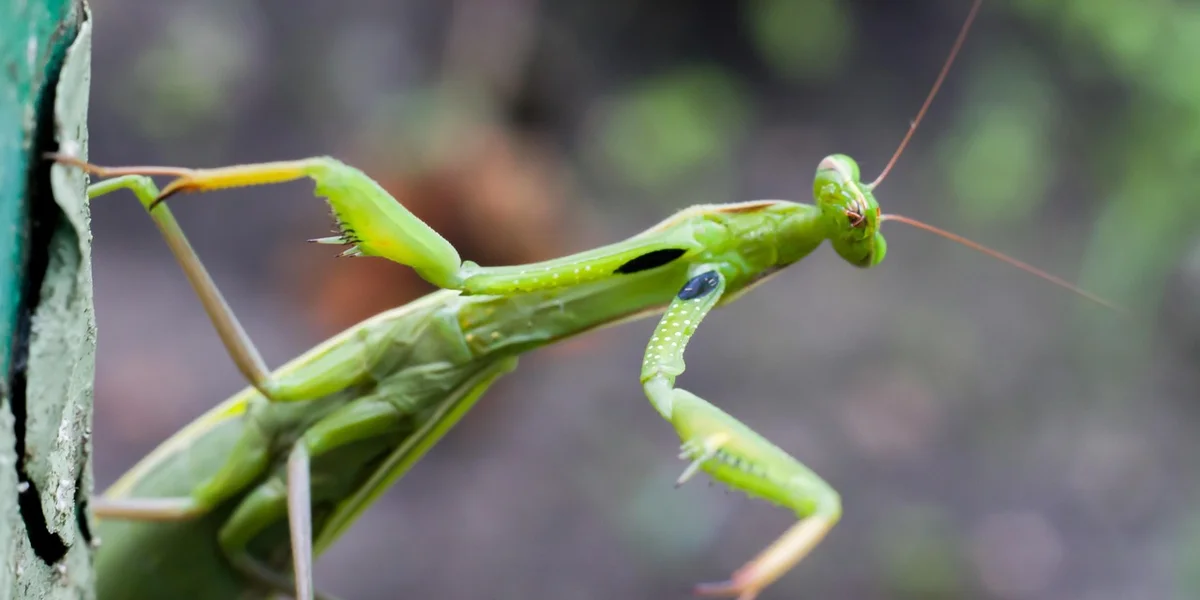
The Molting Process
Molting is that quiet, critical phase where your mantis sheds its tight old skin to make room for growth. Think of it as a deeply vulnerable rebirth—their bodies soft and exposed, demanding stillness and care from us. It’s important to understand what molting entails to properly support your mantis during this time.
Before the molt, your mantis will show gentle signs. You might notice a drop in activity, a refusal of food, and a preference for hanging upside down in a chosen spot.
- Lethargy sets in; they move like slow, careful shadows.
- Appetite vanishes, often a day or two prior.
- Their colour can appear dull as the old exoskeleton separates.
After the molt, the new skin needs hours to harden. Boost humidity with a light mist, avoid any handling, and let them rest completely undisturbed.
I watched my orchid mantis, Sprig, during her last molt. She was a pale pink sculpture, utterly motionless, until with a soft rustle she stepped free, her new marbled petals glistening with dew. It was a hushed, beautiful reminder of the delicate transitions in their lives.
Troubleshooting Health Issues
Even in a well-kept enclosure, small health concerns can pop up. Spotting them early often means a simple, gentle fix is all that’s needed.
Here are common issues to watch for:
- Dehydration: A wrinkled or pinched abdomen is the classic sign.
- Stuck Shed: Pieces of old skin remain, usually from dry air.
- Falls: A tumble can happen, especially if surfaces are too smooth.
- Loss of Appetite: This can point to stress, temperature shifts, or pre-molt behaviour.
Practical solutions are often close to hand:
- For dryness, increase misting frequency or place water droplets on leaves for them to drink.
- With a stuck shed, raise the enclosure’s humidity gently-a warm water mist can help.
- Prevent falls by adding soft substrate like sphagnum moss or textured branches for grip.
- If appetite lags, check your temperatures and reduce any disturbances in their space.
When in doubt, reaching out to a keeper community or a specialist vet is a smart move. With consistent, gentle care and a observant eye, most common mantis health issues are entirely preventable.
The Practical Side: Costs, Supplies, and Lifespan
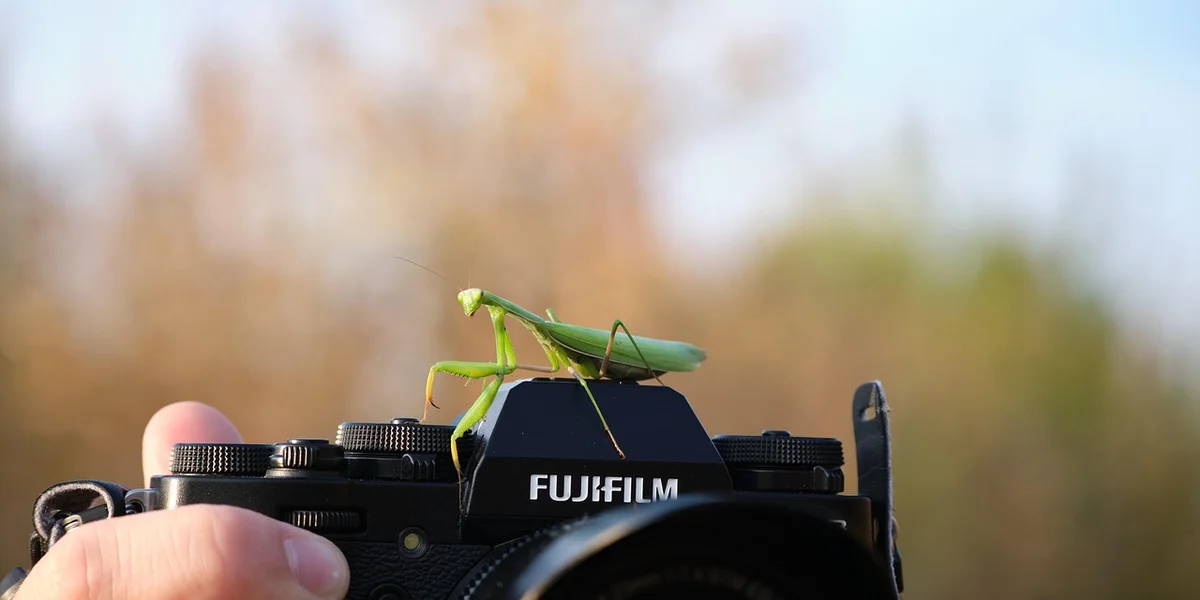
Initial and Ongoing Costs
Let’s talk numbers, but keep it light-owning a mantis is more about thoughtful pennies than overwhelming pounds. Your initial setup can be wonderfully modest, often under a hundred dollars, making it a gentle entry into the pet-keeping world. We’ve found that a clear breakdown helps you plan without worry.
- Mantis Price: Depending on species and rarity, a nymph or adult typically costs between $20 and $50. Our Ghost Mantis, Luna, was a mid-range find, her delicate form worth every quiet moment.
- Enclosure: A suitable terrarium or mesh habitat usually runs $20 to $40. Look for good ventilation and easy access-your mantis will appreciate the airflow.
- Feeders: Live insects like fruit flies or crickets are a recurring cost, roughly $10 a month. Buying in bulk can trim this down nicely.
- Miscellaneous Supplies: Include substrate ($5), a misting bottle ($8), and decor like sticks or fake plants ($10). These bits add comfort without breaking the bank.
Now, for a budget-friendly twist. We often repurpose large mason jars or clear plastic containers as temporary homes for juveniles, securing mesh over the top for breathability. It’s a thrifty trick that keeps the hobby accessible, letting you focus on care rather than cost. Just ensure any DIY setup is escape-proof and gently misted for humidity-that earthy scent of damp soil means you’ve got it right.
Typical Mantis Lifespan
Mantis lives are brief but beautiful, a natural rhythm to embrace rather than fear. Most species live between 6 and 18 months, with females often outlasting males by a few precious months. Our Moss, a Giant Asian male, danced through his adult phase in under a year, whilst Luna, a female Ghost, lingered longer, each stage a quiet lesson in observation.
- By Species: Smaller types like the Ghost Mantis may reach 8-12 months, while larger ones like the Giant Asian can span 12-18 months. Orchid Mantises, like our shy Sprig, often fit in the middle range.
- By Sex: Males typically live 6-10 months after maturity, focused on finding a mate. Females, blessed with egg-laying, often enjoy 10-14 months or more, their bodies slowing like autumn leaves.
See this short span not as a drawback, but as a chance to cherish each moult and meal deeply. Their lifespan becomes a gentle reminder to be present, watching the subtle shift from nymph to adult like a slow bloom in a terrarium. You’ll learn to spot the signs-the soft rustle of shedding skin, the still perch before a hunt-and treasure the fleeting companionship.
Common Mantis Queries
Can I find a praying mantis at a big chain pet store like Petsmart?
Major chain pet stores like Petsmart rarely carry live praying mantises due to their specialized care needs. You will have much better luck with dedicated online invertebrate breeders or local exotic pet shops. For a trusted buyers guide on where to buy a pet praying mantis, check our recommendations. It highlights reputable breeders and stores and offers care tips from day one.
How much does a pet praying mantis typically cost?
The initial price for the mantis itself generally ranges from $20 to $50, depending on the species and its rarity. Your main ongoing costs will be for its enclosure supplies and live feeder insects. When planning the enclosure, consider a mantis habitats DIY enclosure vs commercial kit cost-benefit breakdown to see which option fits your budget and space. A quick assessment can help you weigh upfront and ongoing costs more clearly.
What’s the best way to find praying mantises for sale near me?
Search online for reputable invertebrate breeders or exotic pet stores in your area, such as “praying mantis pets for sale near Detroit, MI.” Many trusted national breeders in the USA also safely ship live mantises directly to your door. If you’re curious about cost, a complete price breakdown should include the mantis price, shipping, enclosure, and ongoing care supplies. This helps you budget effectively and compare options.
A Final Thought Before You Welcome Your Mantis
The perfect pet mantis keeper is a quiet observer, someone who finds joy in the delicate details of a small, fascinating life. If you can provide a safe, appropriate habitat and are comfortable with the care their brief, brilliant lives require, you will find a deeply rewarding companion.
Responsible ownership means committing to learning their subtle language-the tilt of a head, the preference for a certain perch, the gentle rustle of a successful molt. The journey of caring for a mantis, much like tending a quiet corner of a garden, is one of gentle attention and continual, heartfelt discovery.
Further Reading & Sources
- Garden Dilemmas, Delights & Discoveries, Ask Mary Stone Praying Mantises Beneficial or Bad – Garden Dilemmas, Delights & Discoveries, Ask Mary Stone
- Should You Keep a Praying Mantis as a Pet?
- Should I Release Praying Mantis into My Garden? | Extension
- Praying Mantis: Friend or Foe? – The Observant Gardener
Rowan Hale is a lifelong insect enthusiast who fell in love with mantises for their calm presence, alien elegance, and surprising personalities. After years of keeping and raising a variety of species, Rowan shares practical tips, creative insights, and real-world experience to help others enjoy the quiet magic of mantis care. From setting up the perfect enclosure to understanding their subtle behaviors, Rowan invites readers into a gentle, curious world where every tiny movement feels like a discovery.
First-Time Mantis Owners