
Hello there, mantis friend. Have you ever watched your subadult mantis become a perfect, motionless green statue, knowing a profound transformation is just days away?
Preparing for your mantis’s final molt requires a precise care timeline focused on habitat setup, feeding adjustments, and keen observation to ensure a safe and successful transition into adulthood.
This period is a delicate dance of providing exactly what your mantis needs, exactly when it needs it. A slight misstep in humidity or an ill-timed feeding can have serious consequences.
Our guide will walk you through this critical phase, week by week. You will learn:
- How to spot the subtle pre-molt signs you must not ignore.
- The exact habitat tweaks that create a safe molting space.
- A week-by-week feeding schedule to build energy reserves safely.
- What to do (and what not to do) during the molt itself.
We have nurtured many mantises through this final climb, from our observant Ghost Mantis, Luna, to our energetic Giant Asian, Moss. We are here to guide you through every step.
Understanding the Subadult Stage and Molt Process
-
Your mantis transitions from a nimble nymph to a subadult after several molts, typically around the fifth to seventh shed depending on the species. This stage is the final stretch before adulthood, where your mantis builds strength and size for its last dramatic transformation. In our experience, Luna, our Ghost Mantis, became a subadult after her sixth molt, her frills more defined and her movements more deliberate.
-
During a subadult molt, your mantis will stop eating and seek a high, secure spot to hang upside down. Its old exoskeleton splits along the back, and it carefully wriggles out, emerging with softer, larger limbs and body that harden over hours. You might notice a quiet rustle as the skin peels away, leaving your mantis vulnerable but soon more vibrant.
-
Molt windows and maturity timelines vary widely by species-some, like the Giant Asian Mantis, mature in just a few months, whilst others, such as the Orchid Mantis, take longer. Moss, our energetic male Giant Asian, reached subadult faster than Sprig, our shy Orchid, reminding us to tailor care to each mantis’s natural rhythm.
Spotting Pre-Molt Signs in Your Subadult Mantis
-
Look for visual cues like a noticeably swollen abdomen, which stores energy, and a dulling or darkening of colours. A plump, rounded belly often means your mantis is gearing up for the big shed, so keep an eye on its shape daily.
-
Note behavioral shifts such as reduced feeding—your mantis might ignore prey it usually devours—and increased hiding or clinging to enclosure tops. This quieter, more reserved behaviour is a natural instinct to stay safe whilst its body prepares for change. This pattern can also reflect behavior changes through its lifecycle as it molts and grows through its life stages. As they mature from nymphs to adults, their activity and prey choices may shift.
-
Emphasise daily observation by spending a few moments each day checking for subtle changes in posture and activity. Regular, gentle monitoring helps you spot early signs and adjust humidity or perches to support a smooth molt.
Setting Up the Perfect Molting Environment
-
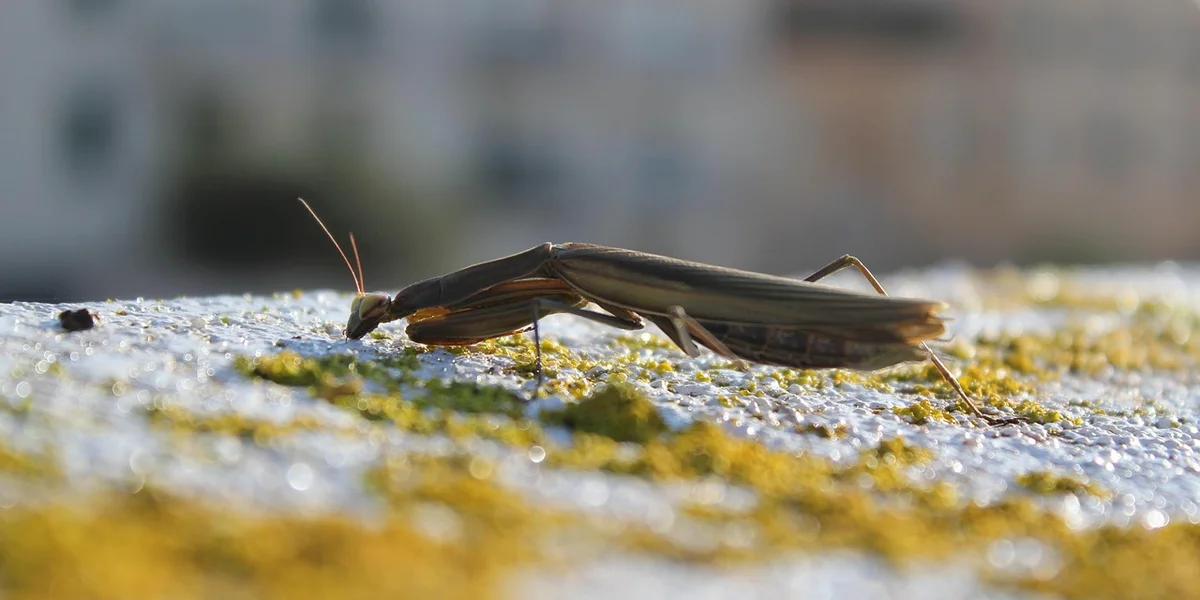
Optimal temperature for a subadult mantis ranges from 75°F to 85°F (24°C to 29°C), while humidity should stay between 60% and 80% to support a smooth shed. Stable conditions prevent complications like stuck skin, so use a digital thermometer and hygrometer to monitor these levels daily, especially for mantis nymphs.
-
Set up the enclosure with cross-ventilation using mesh panels to avoid stagnant air and mold growth. Proper ventilation is essential for a healthy praying mantis enclosure. Regularly monitor airflow to prevent humidity pockets and ensure fresh air circulates. A substrate of moist coconut fiber holds humidity well, and by misting one side more heavily, you create a gentle gradient that lets your mantis choose its comfort zone.
-
For a safe molting chamber, try a clean mason jar with a breathable cloth cover or a plastic container fitted with twigs for grip. These DIY setups offer a snug, humid space that mimics the protective nooks mantises seek in the wild.
Feeding and Hydration Strategies Pre-Molt
-
Begin adjusting feeding about three days before the expected molt, reducing portions and stopping entirely if your mantis refuses food. Fasting for 24 to 48 hours beforehand minimizes the risk of regurgitation and allows their body to focus energy on shedding.
-
Hydration is vital, so mist the enclosure lightly each morning to form droplets on leaves and surfaces. This not only boosts humidity but also provides drinking water, as mantises often lap moisture directly from foliage.
-
Supplement feeders with a light dusting of calcium powder once weekly to support strong exoskeleton development. Calcium aids in forming a resilient new skeleton, reducing the chance of deformities after the molt.
Step-by-Step Molt Timeline and What to Watch For
-
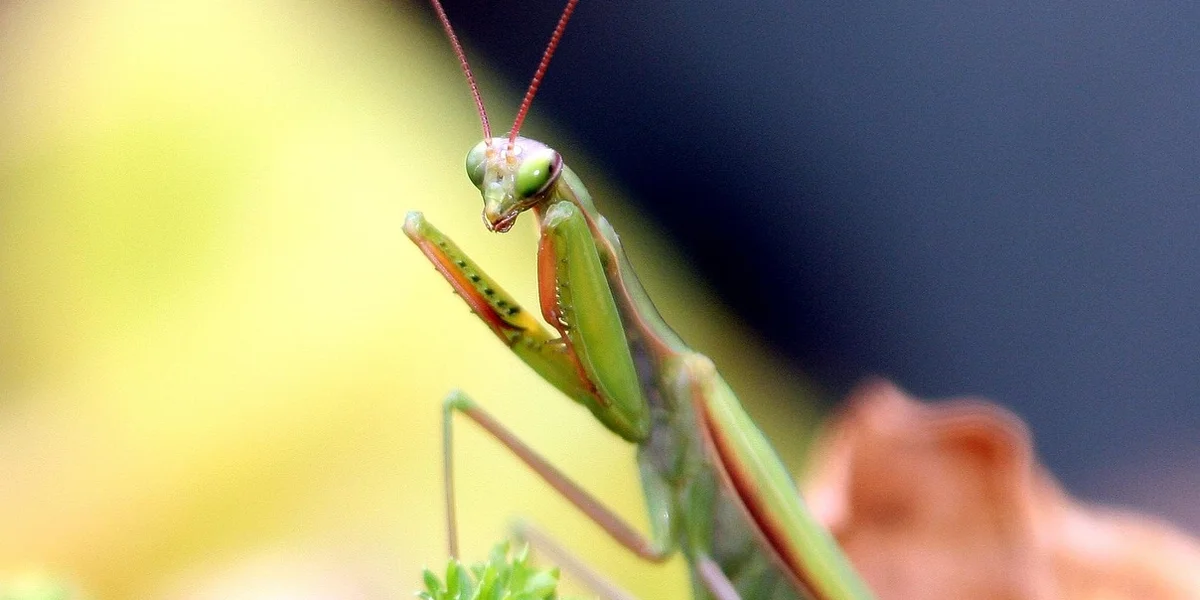
We start by spotting pre-molt clues about one to two days before the big event. Your mantis may refuse food, cling upside down to a branch, and move very little, as if conserving every bit of energy. Watch for a slight darkening of the skin and a still, almost meditative posture-this quiet phase is when your care makes all the difference. With Luna, my Ghost Mantis, I’d see her delicate frills quiver in the humid air while she waited, a sure sign she was preparing.
-
The actual molt unfolds over several hours, often 4 to 6 for subadults, though it can stretch longer if conditions aren’t ideal. You’ll notice your mantis arching its back, splitting the old skin along the thorax, and slowly wriggling free-a delicate dance that demands patience and stillness from you both. Keep the room dim and avoid any sudden noises; this is a time for gentle observation, not intervention.
-
Subadult molts differ sharply from earlier stages in both difficulty and duration. While younger nymphs might shed in under two hours with fewer risks, subadults face a more complex process due to their larger size and developing wings, making proper humidity and stability non-negotiable. Moss, my Giant Asian Mantis, took nearly twice as long as his juvenile molts, reminding me how vital it is to tailor care as they grow.
Avoiding Common Molt Risks and Handling Emergencies
-
Steer clear of frequent mistakes like handling your mantis during pre-molt or letting humidity swing wildly. Sudden changes can cause the old skin to dry out and stick, so maintain a steady misting routine and resist the urge to check on them too often. We’ve learned that even a well-meaning nudge can disrupt their focus, so trust the process and keep the environment calm. Additionally, many keepers stumble on lighting, heating, and humidity—these factors matter as much as water and handling. Avoid direct heat sources or bright, fluctuating light, and aim for a stable day-night cycle with consistent humidity.
-
Signs of a stuck or failed molt include frantic struggling, part of the exoskeleton remaining attached, or the mantis lying limp. If this happens, immediately raise humidity by gently misting warm water nearby-never directly on the mantis-to soften the skin and give them a chance to work free. Avoid pulling at any stuck bits; patience and a humid microclimate are your best tools here.
-
Handling abstinence is key; refrain from touching your mantis for at least a week post-molt to let the new exoskeleton harden fully. Reduce stress by keeping the enclosure in a quiet spot, away from vibrations or bright lights, and offer food only after they’ve settled and shown interest. With Sprig, my Orchid Mantis, I wait until she’s actively hunting again before any interaction, ensuring she feels secure in her fresh, delicate form.
Post-Molt Care and Welcoming Adulthood
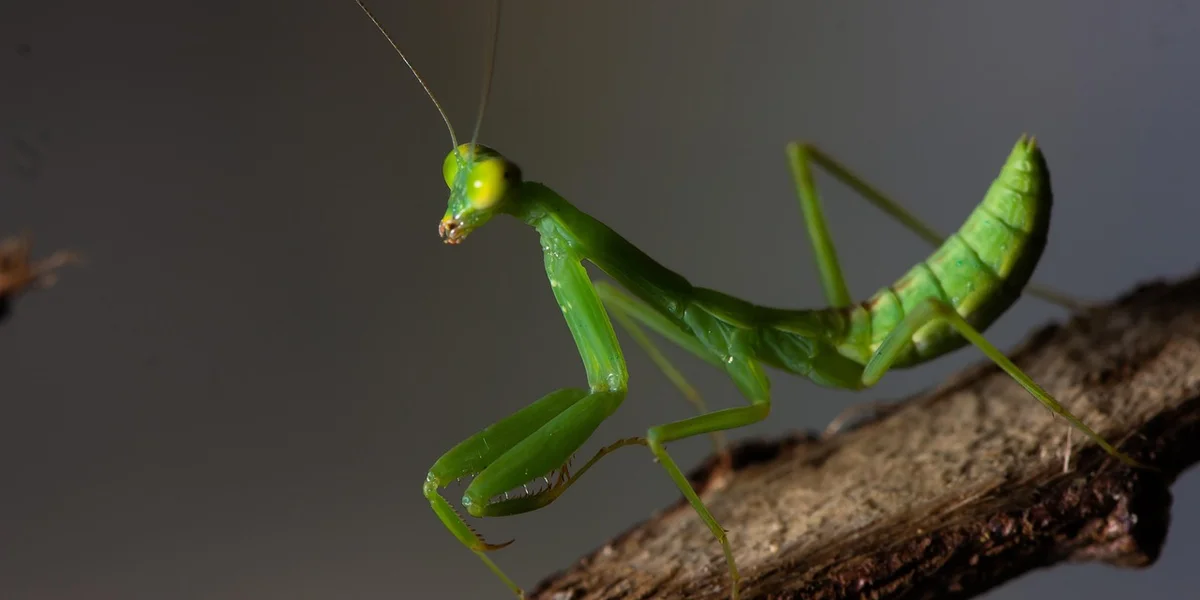
After your mantis sheds its old skin, it emerges soft and vulnerable, needing a calm space to harden over the next day or two. We always wait at least 24 hours before offering any food, choosing small, soft-bodied prey like fruit flies to ease them back into eating without stress. Keep the enclosure humid with light misting, but avoid direct spraying on the mantis to prevent startling it during this delicate phase.
Subadult mantises typically undergo several molts before reaching adulthood, with the final molt marking sexual maturity and full wing development. You will know it is the last shed when the mantis emerges with complete, functional wings and a more robust body shape, ready for the next stage of life. This transition means no more growing pains, but it also brings new care considerations as their energy needs and behaviors shift.
- Gradually increase prey size to match their adult strength, moving from pinhead crickets to larger options like houseflies.
- Monitor humidity levels closely, as adults may be less tolerant of drying out compared to juveniles.
- Reduce handling frequency to minimize stress, especially if you plan to introduce a mate for breeding.
Adult mantises often show more defined territorial or hunting behaviors, so we adjust their environment with taller perches and hiding spots. Providing a stable, predictable routine helps them settle into adulthood with confidence, much like our Moss who became far more adventurous after his final molt. Watch for signs of readiness to mate, such as increased activity or wing displays, and plan accordingly if breeding is your goal. It’s crucial to ensure their habitat meets all the essential requirements for a healthy praying mantis.
Tailoring Care for Different Mantis Species
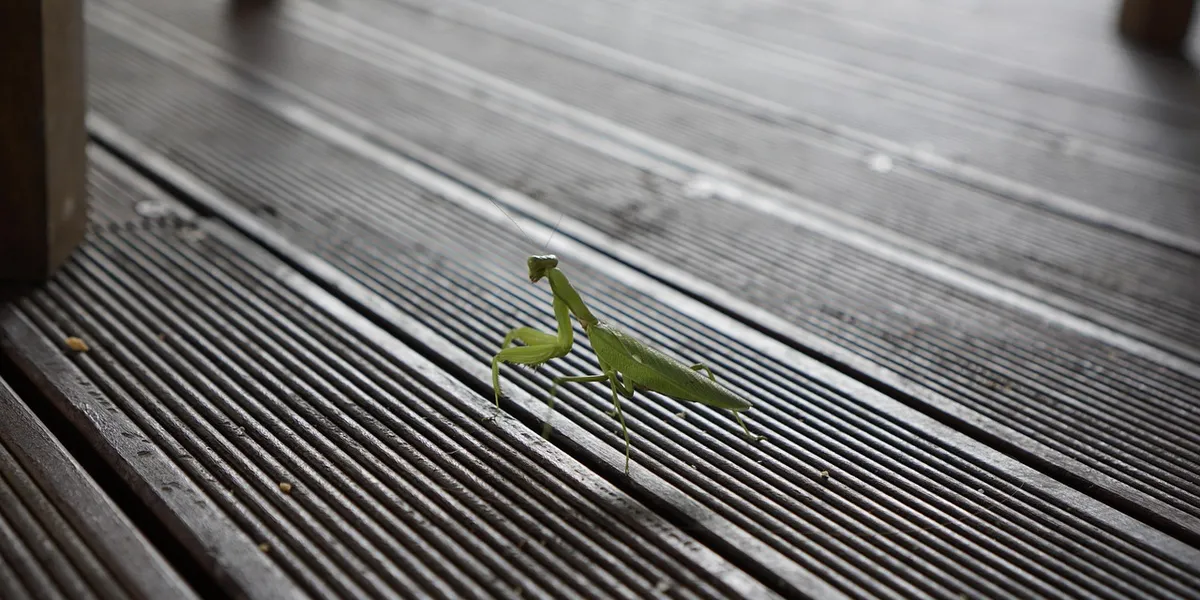
Each mantis species brings its own quirks to molting, with Ghost Mantises like Luna preferring higher humidity and gentle lighting to mimic their natural rainforest homes. Orchid Mantises, such as Sprig, need precise humidity around 60-80% and indirect light to support their delicate, flower-like appearance during sheds. We have found that even small variations can make a big difference, so observing your mantis’s behavior is key to spotting needs early.
In our experience, Luna’s Ghost Mantis molts went smoothly with daily misting and low-wattage heat lamps to maintain a cozy 75°F. For Sprig’s Orchid Mantis, we used a small humidifier and avoided bright lights to prevent stress, which helped her retain those beautiful pink hues after each shed. Moss, our Giant Asian Mantis, thrived with simpler setups but needed extra ventilation to stay comfortable in warmer conditions.
- Ghost Mantises: Boost humidity with frequent, fine misting and include live plants for microclimates.
- Orchid Mantises: Use shaded enclosures and monitor for mold, as their high-humidity needs can attract pests.
- Giant Asian Mantises: Focus on space and sturdy branches, as they are more active and may knock over delicate fixtures.
Always research your specific mantis type, as care guides vary widely between species. Checking reputable sources or connecting with other keepers can provide tailored tips that make molting seasons less worrisome and more rewarding. We learned this firsthand when adjusting for Sprig’s sensitivity, and it transformed her molting success from shaky to seamless.
Common Mantis Queries
How many molts does a mantis typically undergo before reaching adulthood?
Most mantis species experience 6 to 10 molts in total before adulthood, with the exact number varying by species and care conditions. The final molt completes their growth, resulting in full-sized wings and reproductive maturity.
Can a subadult mantis molt more than once before becoming an adult?
No, a subadult mantis molts only once more to reach adulthood, as this stage is immediately prior to the final transformation. However, many mantises molt several times before adulthood. Any additional molting at this point would be unusual and could indicate health issues or misidentification of the life stage.
What differences occur between subadult molts and earlier molts?
Subadult molts involve greater risks and longer durations due to the development of wings and a larger body size. Earlier molts are generally faster and focus on incremental growth, whereas subadult sheds require precise humidity and stability to prevent complications.
Guiding Your Mantis to a Peaceful Final Molt
Focus on stable humidity and gentle handling to support your mantis through this delicate stage. Be alert for the earliest signs of molting trouble, such as lethargy, reduced movement, or a partially shed exoskeleton. Recognizing these cues early allows you to adjust the environment and support a safe molt. Providing a secure, vertical space and minimizing disturbances helps ensure a smooth and successful molt.
We believe that responsible pet ownership means always learning and adapting to your mantis’s evolving needs. Stay engaged with care communities and trusted sources to keep your knowledge fresh and your pet thriving, especially when it comes to handling and understanding their behavior.
Further Reading & Sources
- FAQ about praying mantises | Keeping Insects
- Molting Praying mantis molting care sheet. Mismolt – USMANTIS
- Chinese mantis molting time line? | Mantid Forum – Mantis Pet & Breeding Forum
- Praying Mantis Care Lifespan, Growth and Molting Mis-molting – USMANTIS
Rowan Hale is a lifelong insect enthusiast who fell in love with mantises for their calm presence, alien elegance, and surprising personalities. After years of keeping and raising a variety of species, Rowan shares practical tips, creative insights, and real-world experience to help others enjoy the quiet magic of mantis care. From setting up the perfect enclosure to understanding their subtle behaviors, Rowan invites readers into a gentle, curious world where every tiny movement feels like a discovery.
Temperature and Humidity