
What is Mantis Gut Impaction? Causes, Symptoms, and Prevention
Published on: February 11, 2026 | Last Updated: February 11, 2026
Written By: Rowan Hale
Hello, mantis friend. One moment your vibrant hunter is perched, antennae twitching, and the next, it’s unnervingly still, its abdomen strangely swollen. That quiet shift can send a ripple of worry through any keeper’s heart.
Mantis gut impaction is a serious digestive blockage, often caused by difficult-to-digest food or substrate, that prevents your mantis from passing waste and can become life-threatening if not addressed.
While the idea of an internal blockage sounds complex, we can break it down into manageable parts. By understanding the simple triggers and early warning signs, you can create a safe, comfortable environment for your delicate predator.
Here’s a quick look at what we’ll explore:
- The primary causes, from feeder size to enclosure flooring.
- Subtle behavioural changes and physical symptoms to watch for.
- Practical, step-by-step prevention to keep your mantis thriving.
Understanding Mantis Gut Impaction
- Gut impaction is a digestive blockage that occurs when something obstructs the praying mantis’s gut, much like a clogged pipe in a gentle stream. This blockage prevents food from moving through their system, leading to a buildup that can cause discomfort and health decline.
- When the gut is obstructed, it halts the normal flow of digestion, which may result in reduced appetite, lethargy, or even more severe issues if left unaddressed. Imagine a tiny, winding path in a garden-when debris blocks the way, nothing can pass, and the whole system stalls.
- Using a simple analogy, think of it as a clogged drain in your home; just as water backs up and causes problems, a mantis’s gut impaction traps waste, creating a silent crisis. From our experience with Luna, her usually observant demeanor shifted to stillness when impaction loomed, reminding us how vital clear digestion is.
Common Causes of Digestive Blockage
- Improper diet is a primary cause, where prey that’s too large or hard to digest can overwhelm the mantis’s gut. For instance, offering insects wider than the space between your mantis’s eyes may lead to blockages, as we learned when Moss once struggled with an oversized cricket.
- Dehydration plays a key role, as mantises need moisture to keep their digestive system flowing smoothly. Without enough water, food moves sluggishly, much like dry soil cracking in the sun, and impaction becomes more likely.
- Substrate ingestion happens when mantises accidentally consume enclosure materials like loose soil or bark while hunting. Choosing safe, digestible substrates helps prevent this, similar to how we use soft coconut fiber for Sprig’s habitat to avoid mishaps.
- Prey that is too large or contains indigestible parts, such as tough exoskeletons, can contribute significantly to blockages. These items act like stubborn knots in a delicate thread, slowing everything down and risking impaction.
- Stress and improper enclosure setup, like incorrect humidity or cramped spaces, can slow digestion and increase vulnerability. A calm, well-designed environment supports gut health, much like a peaceful terrarium fosters overall well-being.
Recognizing the Symptoms of Gut Impaction
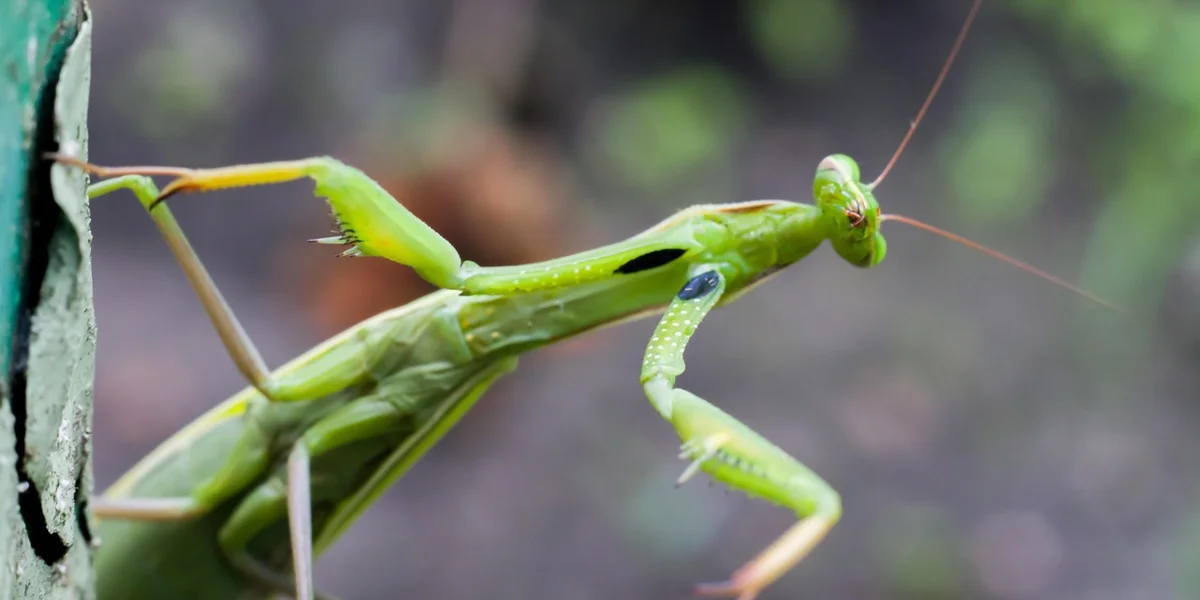
Spotting gut impaction early can save your mantis from discomfort and serious health issues. We often see the first clues in physical changes and daily habits.
-
Abdominal distension appears as a swollen, firm belly that doesn’t soften after digestion. This bloating is a clear signal that something is blocking their system.
-
Reduced feeding happens when your mantis turns away from prey it would normally chase. A sudden loss of appetite is often the earliest warning sign we notice. To tell if your mantis is hungry or full, observe its response to prey over time. If it actively hunts and bites, it’s hungry; if it consistently ignores prey after a recent meal, it may be full.
-
Lethargy shows up as prolonged stillness, like when Moss, my Giant Asian Mantis, stayed perched for hours without his usual curiosity. Watch for unusual lack of movement or response to stimuli.
-
Regurgitation involves undigested food being spat out, sometimes with a foul smell. This messy behavior indicates their gut is struggling to process meals.
-
A hunched posture, with the body curled inward, suggests abdominal pain. This protective stance is their way of coping with internal pressure.
Catching these symptoms quickly gives you the best chance to help your mantis recover. We’ve found that prompt action often prevents the condition from worsening. Understanding what healthy mantis behavior looks like helps you tell when something’s off. If you notice signs like lethargy, poor appetite, unusual shedding, or limp movements, it’s worth monitoring closely and seeking guidance if needed.
How to Prevent Gut Impaction in Your Mantis
Preventing gut impaction is all about mindful care and a few simple habits. With consistent attention, you can keep your mantis’s digestive system running smoothly.
-
Offer prey no larger than the space between your mantis’s eyes to avoid blockages. Varied nutrition from different insects, like fruit flies and small crickets, supports healthy digestion. This is part of a complete diet feeding guide for praying mantises. A complete guide emphasizes varying prey types and monitoring size to ensure balanced nutrition.
-
Mist the enclosure lightly each day to provide water droplets for drinking. Maintaining proper humidity levels, around 60-70% for many species, helps keep their gut hydrated and functional.
-
Clean the enclosure regularly to remove uneaten prey and waste. Using safe substrates, like paper towel instead of loose soil, reduces the risk of accidental ingestion.
Responding to Gut Impaction: Care and Treatment
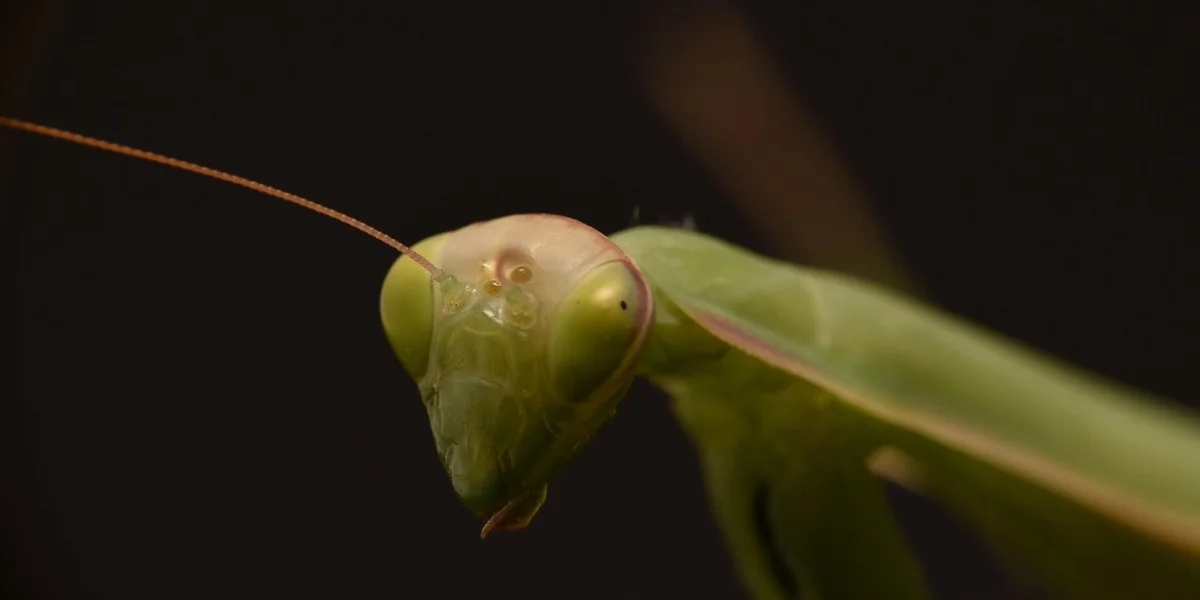
If you suspect your mantis is impacted, your first actions can provide crucial relief. Begin with gentle hydration by offering small droplets of lukewarm water directly onto its mouthparts using a clean paintbrush or dropper. This encourages drinking without stress. Look for signs of dehydration such as a dry or wrinkled abdomen and reduced activity. Addressing these signs with careful hydration can help fix it.
For more stubborn cases, a shallow warm bath can help. Fill a small, clean container with a centimeter of lukewarm water and carefully place your mantis inside for just five to ten minutes, always supervising closely. The warmth can relax the abdomen and stimulate the digestive tract. Hydration is a key aspect of mantis care, and a complete hydration guide notes that mantises often obtain moisture from prey and dew on leaves; a supervised shallow bath can help when natural hydration is insufficient. Use baths sparingly and monitor for signs of stress.
It is vital to know when home care is not enough. You should seek an exotic veterinarian if your mantis shows no improvement after 24 hours, appears to be in visible distress, or becomes lethargic and unresponsive. A professional can provide a definitive diagnosis and may suggest safe laxatives or other treatments not available at home. This is a core item in the ultimate mantis health troubleshooting checklist for “why my mantis sick.” Regular symptom and environmental checks help you act quickly when care at home isn’t sufficient.
For ongoing home care, create a quiet, stress-free recovery space. Keep the enclosure slightly warmer than usual and maintain ideal humidity levels to support the digestive process. After a molt (After a molt), the mantis is especially vulnerable while the new exoskeleton hardens. Limit handling and keep the enclosure quiet and stable during this post-molt recovery. Monitor your mantis’s abdomen for any reduction in swelling and watch for the return of normal droppings.
Long-Term Health and Prevention Strategies
-
Suggest regular habitat checks and maintenance.
Prevention starts with a clean and safe home. Make a weekly ritual of inspecting the enclosure for any sharp edges, loose substrate, or mold growth that could pose a risk. We think of it as tidying a miniature forest for our mantis, Moss, ensuring every branch and leaf is secure.
-
Recommend ongoing diet and hydration practices.
A balanced diet is your best defense. Feed appropriately sized, gut-loaded prey and always provide a clean water source, whether through daily misting or a water droplet on the enclosure wall. Avoid hard-shelled insects like adult beetles, opting instead for softer feeders like flightless fruit flies or freshly molted crickets. This principle is a cornerstone of the ultimate guide to gut-loading feeder insects for mantises. Mastering gut-loading helps maximize nutrient transfer to your pet mantis.
-
Highlight the importance of observing behavioral cues.
Your mantis communicates its health through its behavior. Learn to read the subtle signs, like a change in appetite, a different perch position, or less frequent grooming. Our Ghost Mantis, Luna, will tilt her head in a specific way when she’s feeling off, a quiet signal that prompts us to check her habitat and diet immediately.
Common Mantis Queries
Is gut impaction more common in certain mantis species?
Smaller or more delicate species may have higher susceptibility due to their size and digestive sensitivity. Always refer to species-specific care guidelines to adjust feeding and habitat for optimal health.
Can probiotics or supplements help prevent digestive issues in mantises?
Probiotics are generally unnecessary if you provide a varied diet of gut-loaded, appropriately sized insects. Focus on proper hydration and safe enclosure setups as the most effective preventive measures.
What is the typical recovery timeline after treating gut impaction?
Recovery often begins within 24-48 hours with consistent hydration and a stress-free environment. If symptoms persist beyond this period, seek advice from an exotic veterinarian for specialized care.
Keeping Your Mantis Healthy and Happy
To prevent the distress of gut impaction, the most powerful steps you can take are to feed your mantis appropriate, gut-loaded prey and ensure its enclosure has the right warmth and humidity for smooth digestion. A clean habitat with safe surfaces to climb and drink from is your mantis’s best defense against this internal blockage. Essential habitat requirements—stable temperature, proper humidity, and a safe, clean enclosure—are foundational to a healthy praying mantis. When these basics are met, your mantis is more likely to thrive and digest meals normally.
Being a thoughtful mantis keeper means observing your pet’s daily habits and staying curious about their unique needs as they grow and change. For practical, humane handling insights, our care pet praying mantis complete handling behavior guide can help you learn the best ways to interact safely. It covers reading their mood, safe handling cues, and enrichment ideas. Your dedication to learning is what transforms basic care into a truly rewarding partnership with these fascinating creatures.
Further Reading & Sources
- The hindgut microbiota of praying mantids is highly variable and includes both prey-associated and host-specific microbes – PMC
- Health Issues – mantis monarch
- r/Entomology on Reddit: how the hell did the mantis fit the entire thing inside its stomach
- r/mantids on Reddit: my mantis has poop stuck?
Rowan Hale is a lifelong insect enthusiast who fell in love with mantises for their calm presence, alien elegance, and surprising personalities. After years of keeping and raising a variety of species, Rowan shares practical tips, creative insights, and real-world experience to help others enjoy the quiet magic of mantis care. From setting up the perfect enclosure to understanding their subtle behaviors, Rowan invites readers into a gentle, curious world where every tiny movement feels like a discovery.
Common Health Issues