
Keeping a Mantis Journal: What to Track for Optimal Health
Published on: February 1, 2026 | Last Updated: February 1, 2026
Written By: Rowan Hale
Hello mantis friend, have you ever paused to watch your mantis perch silently, its delicate form blending into the leaves, and wondered if you’re catching all the tiny clues to its well-being?
Keeping a mantis journal transforms those fleeting observations into a clear, actionable record that helps you monitor health, prevent issues, and deepen your bond with your insect companion.
Mantis care involves many nuanced details-from subtle color shifts to feeding quirks-that can feel overwhelming without a system to track them.
In this guide, we’ll walk through the essentials, starting with a quick list of what to note down regularly:
- Daily feeding habits and appetite changes
- Molting dates and any irregularities
- Behavior patterns and activity levels
- Environmental conditions like humidity and temperature
Why a Mantis Journal Transforms Your Pet’s Care Routine
Keeping a mantis journal lets you catch tiny health shifts before they become big problems, much like noticing the first wilt on a plant leaf. By jotting down daily observations, you build a clear picture of your mantis’s normal rhythms, making it easier to spot when something’s off. This proactive approach can add weeks or even months to their life, as you respond quickly to changes in appetite, behavior, or environment. Aligned with the ultimate mantis health troubleshooting checklist, it helps you answer “why my mantis is sick.” Clear notes let you pinpoint likely causes and act quickly.
- Track growth milestones like molting cycles, so you know when to expect quiet periods and avoid disturbing them.
- Monitor daily habits such as feeding times and favorite perches, which helps reduce stress by maintaining a predictable routine.
- Notice subtle mood swings or energy dips early, allowing you to adjust care before issues escalate.
We found that our ghost mantis, Luna, once seemed lethargic for days; flipping through her journal, we realized she’d just molted and needed extra humidity. That simple record kept us from overreacting and gave her the calm space she needed to recover. It turns a guessing game into a guided, loving practice.
Core Health Metrics to Monitor in Your Mantis Journal
Focus on these key areas to keep your mantis thriving, using short notes that paint a full health picture over time. Regular logging helps you connect dots between diet, activity, and environment, so you can fine-tune care with confidence. This foundation feeds a complete care, handling, and behavior guide for your praying mantis. Start with these categories and expand as you learn your pet’s unique quirks. Observe how it responds to handling and changes in its environment to refine safe, humane interaction as part of ongoing care.
- Nutrition: Record feeding times, prey types (e.g., fruit flies, crickets), and how much they eat.
- Hydration: Note misting schedules and signs like dew droplets on leaves or mantis drinking.
- Activity: Log daily movement, such as climbing, hunting, or resting spots.
- Mood: Watch for behavioral cues like curiosity, aggression, or shyness.
- Sleep quality: Track when they settle for the night and how still they remain.
Environmental factors like temperature and humidity play a huge role too-we’ll dive into those next. Our giant Asian mantis, Moss, taught us that even a slight drop in warmth could slow his hunting drives, something we’d have missed without notes.
Tracking Nutrition and Hydration Habits
Write down every meal and drink session to catch appetite changes or dehydration risks early. Be specific about prey size and type, as this affects digestion and energy levels. Here’s a simple way to keep it consistent:
- Note the date, time, and what you fed them-e.g., “2 small crickets, eagerly taken.”
- Record water misting: how often, duration, and if you see them drinking from leaves.
- Watch for shifts: reduced eating before a molt, or increased thirst in dry spells.
If your mantis skips a meal, check your journal-maybe they molted recently or the room’s too cool. We once saw Sprig, our orchid mantis, turn down food for days; her journal showed a pattern linked to lower humidity, so we adjusted the misting and she perked right up. It’s important to watch for signs of dehydration in praying mantises as well.
Monitoring Activity, Mood, and Stress Signals
Log daily movements and behaviors to gauge their well-being, much like reading a pet’s body language. Pay attention to energy peaks and drops, as these can signal comfort or distress. Use these points to guide your entries:
- Activity: How much they roam, hunt, or groom-e.g., “climbed branch twice, rested mostly.”
- Mood: Signs of curiosity (head tilting, following movement) or stress (hunching, rapid pacing).
- Stress cues: Refusing food, hiding frequently, or color darkening can mean discomfort.
For instance, if your mantis starts pacing the enclosure walls, it might feel cramped or too exposed. Luna’s journal helped us see that she preferred dimmer light after feeding, so we shifted her setup for calmer days. If you notice similar stress signs, they usually indicate habitat needs. By adjusting enclosure size, hiding spots, and lighting, you can fix it.
Recording Environmental and Circadian Rhythm Factors
Track temperature, lighting, and sleep to mimic their natural rhythms and prevent health issues. Consistent logs reveal how environmental tweaks affect behavior, like better activity with steady warmth. Note these daily to spot trends:
| Date | Temperature (°C) | Humidity (%) | Lighting Cycle | Sleep Notes |
|---|---|---|---|---|
| Sample: 10/05 | 24 | 60 | 12h light/12h dark | Slept soundly, no disturbances |
| Sample: 11/05 | 22 | 55 | 14h light/10h dark | Restless, moved often |
Aim for stable conditions-sudden changes can disrupt their sleep and feeding. We learned that Moss slept deeper with a gradual dimming light, much like a slow sunset in his native habitat. Use your table to compare readings and adjust care for a happier, healthier mantis.
How to Set Up and Organize Your Mantis Journal

Choosing the right journal format can make tracking your mantis’s health a breeze. We find that matching your journal to your daily habits ensures you stick with it long-term.
- Paper notebooks offer a tangible feel-great for quick sketches of mantis poses or molting stages.
- Digital spreadsheets let you sort data easily, like filtering by date or behavior type.
- Specialized apps can send reminders for feeding or misting, keeping you on track automatically.
To pick your journal, think about where you spend most of your time. A pocket-sized notebook works wonders if you enjoy jotting notes by the terrarium.
Customize it with tabs for each mantis, using colored pens for different health indicators. Adding a waterproof cover or sleeve protects paper journals from accidental spills.
For portability, opt for lightweight options that fit in a bag-ideal for noting changes while traveling.
Step 1: Select Your Journal Format Based on Your Lifestyle
Let’s weigh the pros and cons to help you decide. Paper notebooks shine for their simplicity and lack of screen glare.
- Pros: No batteries needed, encourages mindful writing, perfect for drawing details like Luna’s frilly legs.
- Cons: Susceptible to moisture damage, harder to search through quickly.
Digital spreadsheets excel in organization. You can track Moss’s growth curves with a few clicks.
- Pros: Easy to back up, customizable columns for temperature or feeding logs.
- Cons: Requires a device, may feel less personal over time.
Apps blend convenience with smart features. They gently nudge you to record Sprig’s feeding times.
- Pros: Integrated alerts, some offer community tips.
- Cons: Often subscription-based, reliant on app updates.
Step 2: Structure Your Entries for Easy Skimming
Divide your journal into clear sections for quick reference. Daily logs capture fleeting moments, like a mantis’s sudden appetite change.
- Daily logs: Note misting, feeding, and behavior in bullet points.
- Weekly summaries: Highlight trends, such as weight gain or color shifts.
- Progress notes: Document molts, health issues, or habitat adjustments.
Use headings and dates to keep everything orderly. This setup lets you spot patterns, like how often your mantis drinks after misting.
Daily and Weekly Tracking Routines for Consistent Health Monitoring
Establishing a routine turns observation into a calming habit. Consistency helps you notice subtle signs, like a mantis perching differently. This helps you distinguish healthy behavior from warning signs, so you know when to worry and when to feel confident.
- Each morning, gently mist the enclosure and log humidity levels-watch for that soft dew on leaves.
- In the evening, record feeding details: what was offered, how much was eaten, and any leftovers.
- Note behavior changes, such as increased activity or unusual stillness, in a brief daily summary.
Weekly reviews tie it all together. Set aside time on Sundays to reflect on the past week’s entries.
- Compare daily logs to spot recurring issues, like skipped meals or lethargy.
- Check for molting cues, such as duller coloration or reduced appetite, and note progress.
- Adjust care plans if needed, perhaps increasing misting for drier spells.
Approach this with mindfulness, savoring the quiet moments. Your journal becomes a story of your mantis’s life, filled with tiny, precious details.
Interpreting Your Mantis’s Health Data for Early Warning Signs
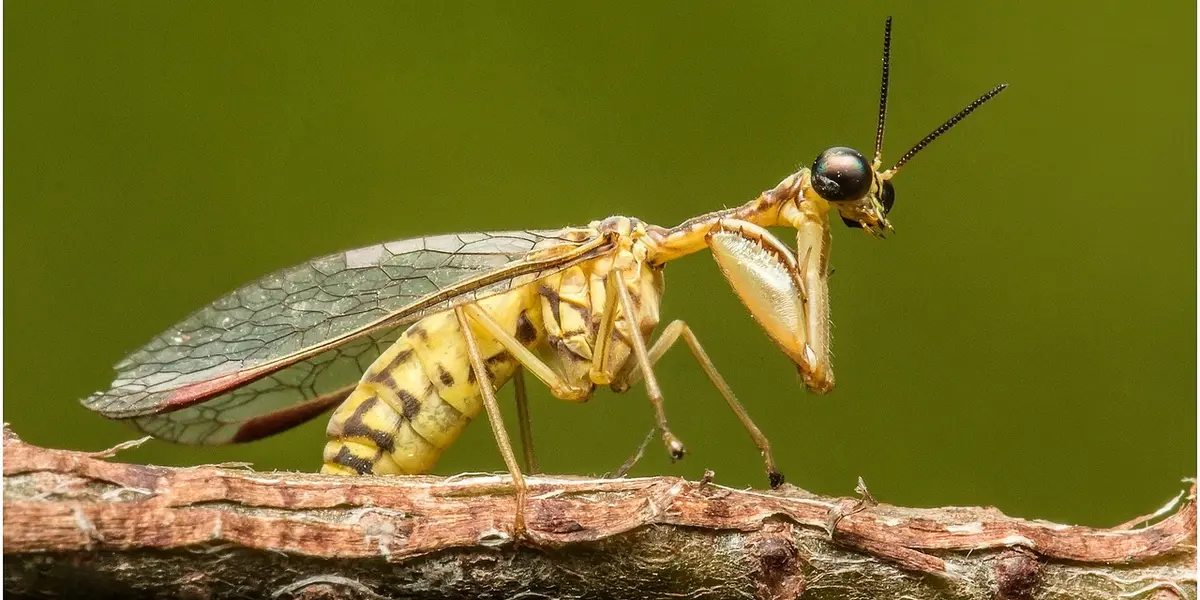
When you flip through your journal entries, look for patterns that repeat over several days rather than focusing on one-off events. Spotting trends early lets you catch issues before they become serious, giving your mantis the best chance at a quick recovery. For instance, if you see a series of notes about sluggish behavior or reduced appetite, it might signal an underlying health problem that needs attention, similar to how you might spot stress signs in a mantis.
Common red flags to watch for include:
- Changes in breathing rate, like rapid or shallow movements in the abdomen.
- Sudden drops in energy, where your mantis stays still for unusually long periods.
- Shifts in appetite, such as refusing prey they normally enjoy.
- Irregular molting, like prolonged struggles or incomplete sheds.
- Altered posture, such as a hunched back or legs held awkwardly.
From my own experience, my Ghost Mantis Luna once showed a subtle energy dip over three days, which I logged alongside her refusal of fruit flies. This pattern helped me realize she was dehydrated, and a gentle misting session brought her back to her curious, head-tilting self in no time. Similarly, Moss, my Giant Asian Mantis, had a breathing change that turned out to be a sign of low humidity-catching it early meant adjusting his enclosure before any stress set in.
Pro Tips to Make Your Mantis Journal Effective and Enjoyable
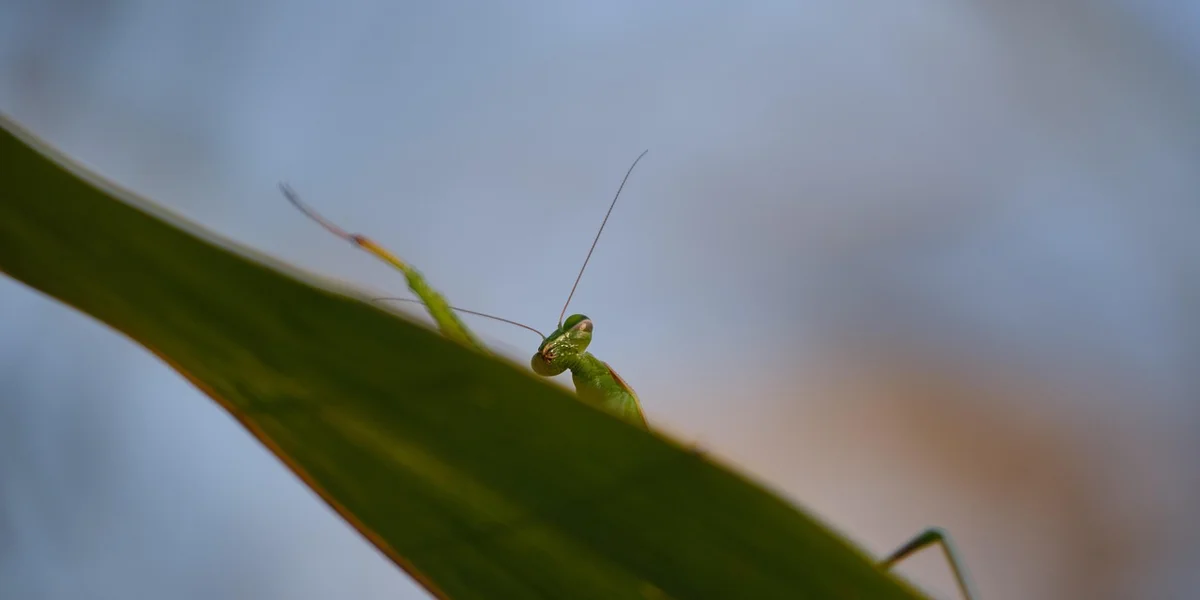
Keeping a mantis journal doesn’t have to feel like a chore; with a few simple habits, it can become a rewarding part of your daily routine. Think of it as your personal field guide, where every note adds to a bigger picture of your mantis’s wellbeing. To make it both useful and fun, try these tips in a bulleted list for easy reference.
- Snap photos regularly to document physical changes, like color shifts or growth spurts-it’s like having a visual timeline of their development.
- Jot down any tweaks to the enclosure, such as humidity levels or new plants, so you can link them to behavior changes later.
- Track all your mantises separately if you have a small group; this avoids mix-ups and lets you compare their unique quirks.
- Set a consistent time for entries, perhaps after feeding, to build a habit that feels natural and effortless.
- Add little sketches or notes about funny moments, like when Sprig, my Orchid Mantis, tried to “stalk” a drop of water-it keeps things light and memorable.
We’ve found that treating the journal as a storybook of your mantis’s life makes it more engaging. Before you know it, you’ll be flipping through pages with a smile, amazed at how much you’ve learned together.
Free Resources and Templates to Jumpstart Your Mantis Journal
-
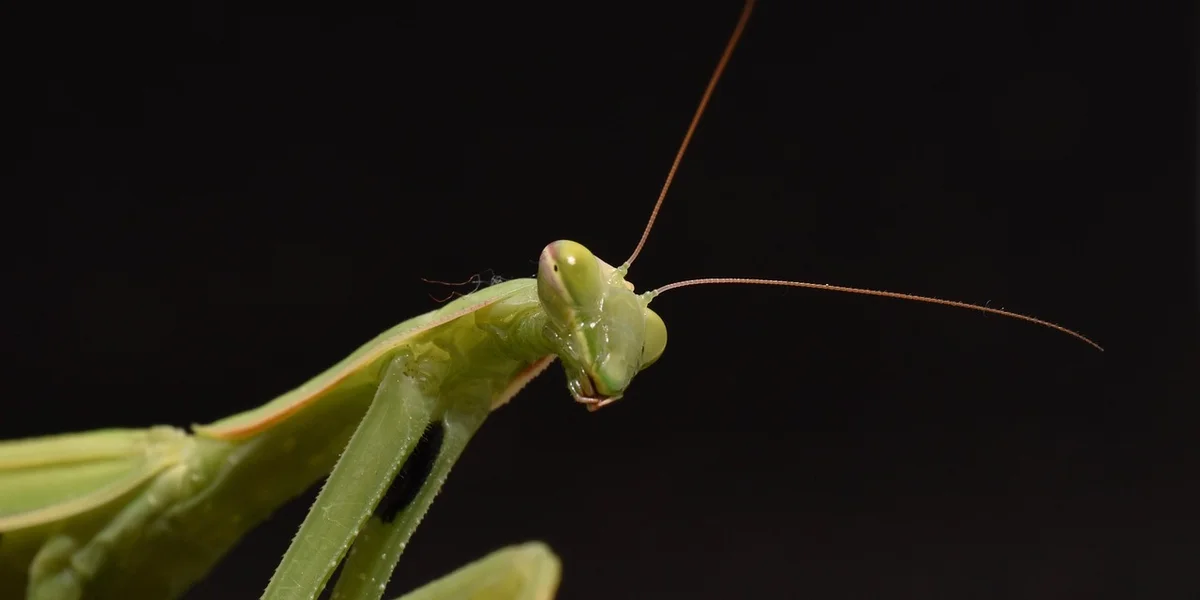
Many free mantis journal templates are available online to simplify your tracking. These printables often feature clear sections for feeding times, molting dates, and behavior notes, making it easy to record details without confusion. You can find them on pet care blogs or insect hobbyist sites, with options ranging from basic charts to more detailed logs. We used a simple one for Luna that helped us monitor her slow, deliberate movements and feeding habits. However, for species-specific dietary requirements, it’s essential to refer to a detailed feeding schedule guide.
-
Printing and using your template is straightforward and budget-friendly. Just download the file, print it on regular paper, and keep it handy with a pen for daily entries. Follow these steps to get started:
- Choose a template that suits your needs, like a weekly tracker or molting record.
- Print it using a home printer on A4 or standard paper for quick access.
- Store it in a binder or clip it to a clipboard near your mantis enclosure.
- Update it daily with brief notes, such as prey offered or any unusual behavior.
-
Your journal should feel like a helpful companion, not a demanding task. Starting with a basic template allows you to build confidence and adapt it as you learn your mantis’s unique patterns. We found that even sparse notes for Moss revealed his energetic feeding cycles, easing our worries over time. Keep it simple and let it grow with you.
Questions from Fellow Mantis Friends
How often should I write in my mantis journal?
Aim for brief daily entries to capture small, important changes. Weekly summaries can then help you spot longer-term trends in behavior or health.
Can I use one journal for multiple mantises?
It is best to keep a separate section or journal for each individual mantis. This prevents confusion and allows you to track their unique health patterns and life cycles accurately. When purchasing, use a pre-purchase mantis health checklist to assess whether it looks healthy. A healthy mantis should be alert, with clear eyes, intact limbs, and a clean exoskeleton.
What should I do if I forget to log an entry?
Simply jot down a quick note as soon as you remember, estimating the details as best you can. Consistency is helpful, but an occasional missed entry is not a major issue for spotting overall health trends.
Your Mantis Journal: A Simple Path to Better Care
We suggest tracking feeding times, molting cycles, and daily behavior to build a clear health picture for your mantis. Many common health and behavior issues in pet mantises come from feeding or environmental factors. Noticing patterns helps you address problems early. Regular notes help you spot small changes early, making it easier to adjust care and keep your pet thriving.
Using a journal shows your dedication to responsible pet ownership and deepens your connection with your mantis. Keep observing and learning—each discovery enriches your journey as a caring mantis keeper. If this is your first pet mantis, follow a week-by-week care guide for new owners. It helps you build safe, confident routines from Week 1 onward.
Further Reading & Sources
- Mantis Health – Digital 3D Glasses for Surgery | Stamford, CT
- Mantis Bug Tracker
- Mantis Bug Tracker (BT)
- Mantis Health – Digital 3D Glasses for Surgery | Stamford
Rowan Hale is a lifelong insect enthusiast who fell in love with mantises for their calm presence, alien elegance, and surprising personalities. After years of keeping and raising a variety of species, Rowan shares practical tips, creative insights, and real-world experience to help others enjoy the quiet magic of mantis care. From setting up the perfect enclosure to understanding their subtle behaviors, Rowan invites readers into a gentle, curious world where every tiny movement feels like a discovery.
Preventative Care