
Can You Overfeed a Mantis Nymph? The Dangers of Power-Feeding
Hello there, mantis friend. That frantic, wiggling dance your tiny nymph does when it spots a fruit fly is one of the great joys of being a keeper. It’s a powerful instinct to want to satisfy that fierce little appetite.
The direct answer is yes, you can absolutely overfeed a mantis nymph, and doing so carries serious, often hidden, risks to its health and lifespan.
This question is more complex than a simple yes or no, as it intertwines with growth speed, prey size, and the very biology of how a mantis develops.
Here’s a quick look at what we’ll explore:
- The hidden physical strain a bulging abdomen places on a growing nymph.
- How power-feeding can dramatically shorten your mantis’s adult life.
- Practical signs to spot if you are offering too much food.
- A simple, safe feeding schedule to follow for robust health.
How Mantis Nymph Metabolism and Growth Work
Understanding Natural Growth Cycles
Mantis nymphs do not grow at a steady pace like mammals. They experience bursts of growth tied to their molting cycles. In the wild, nymphs might go days without a meal, relying on opportunistic feeding. We notice our Ghost Mantis, Luna, often waits patiently for prey rather than hunting constantly. This natural rhythm helps prevent overconsumption and supports healthy development.
Their growth cycles are influenced by temperature, humidity, and food availability. Warmer conditions can speed up metabolism, but nymphs still follow an instinctual pattern of feast and famine. Observing these natural intervals in captivity can help you mimic a healthier feeding schedule that aligns with their wild instincts.
- Nymphs typically eat every 2-4 days, depending on species and size.
- Growth spurts occur right before molting, when energy needs peak.
- In the wild, food scarcity teaches nymphs to conserve energy between meals.
The Role of Molting in Mantis Development
Molting is when a mantis sheds its old exoskeleton to allow for growth. This process is delicate and energy-intensive. We’ve watched our Giant Asian Mantis, Moss, become utterly still before a molt, his body preparing for the transformation. The soft rustle of his skin splitting is a sign of successful development. Proper care during molting is essential to ensure the health of your pet mantis.
Each molt enables the nymph to grow larger and develop new features, like wings in later stages. Proper nutrition supports this, but overfeeding can disrupt the timing. A well-timed molt depends on balanced growth, not rushed feeding that strains the nymph’s system.
- Nymphs fast before molting to empty their gut and reduce risks.
- During molting, they are vulnerable and need a secure perch.
- After molting, they wait for their new exoskeleton to harden before eating again.
Metabolic Rate and Energy Needs in Nymphs
Nymphs have a high metabolic rate to fuel rapid growth, but it’s not constant. Their energy needs spike during active periods and drop in between. Think of it like a child’s growth spurts-they need more food at times, but consistent overfeeding leads to issues.
Factors like species, age, and environment affect metabolism. For instance, our Orchid Mantis, Sprig, requires less frequent meals due to her slower growth rate. Tailoring feeding to your mantis’s specific metabolic demands prevents energy overload and supports steady development.
- Younger nymphs need more frequent, smaller meals for steady energy.
- Metabolic rates slow slightly after each successful molt.
- High temperatures can increase appetite, but moderation is key.
The Real Dangers of Overfeeding and Power-Feeding
Digestion Issues and Impaction Risks
Overfeeding can overwhelm a nymph’s digestive system, leading to impaction. This occurs when undigested food blocks the gut, causing discomfort and potential death. We’ve seen nymphs become lethargic and bloated after too many large meals.
Impaction often stems from feeding prey that’s too big or offering food too often. Sticking to appropriately sized prey and spacing out feedings reduces the risk of digestive blockages that can harm your mantis. If you notice signs like a swollen abdomen or reduced activity, these could indicate gut impaction. Keeping to a regular feeding schedule and choosing suitably sized prey helps with the prevention of gut impaction and its associated symptoms.
- Symptoms include a swollen abdomen, lack of movement, and refusal to eat.
- Prevent impaction by using prey no larger than the mantis’s head.
- Ensure proper hydration with light misting to aid digestion.
Obesity and Its Impact on Mobility
Excess weight from overfeeding makes nymphs sluggish and less agile. An obese mantis may struggle to climb, perch, or hunt effectively. Our Moss, if overfed, would move slowly and miss easy strikes, showing how mobility suffers.
This extra bulk strains their limbs and reduces their ability to escape predators or catch prey. Maintaining a lean body helps your mantis stay active and responsive, essential for their survival and well-being.
- Watch for a rounded, overly full abdomen as a sign of obesity.
- Reduce feeding frequency if your mantis shows difficulty moving.
- Encourage natural behavior with climbing structures and varied perches.
Molting Complications from Rapid Growth
Power-feeding forces nymphs to grow too quickly, often resulting in molting problems. Rapid growth can cause the new exoskeleton to form improperly, leading to stuck molts or deformities. We’ve observed nymphs with crumpled wings or legs after rushed development.
These complications are stressful and can be fatal if the mantis cannot free itself. Allowing growth to occur at a natural pace ensures each molt is successful and reduces the chance of life-threatening errors.
- Stuck molts may require gentle assistance, but prevention is best.
- Signs of trouble include prolonged molting time or incomplete shedding.
- Space feedings to align with molting cycles, not accelerate them.
Spotting the Signs of Overfeeding in Your Mantis
Physical Symptoms to Watch For
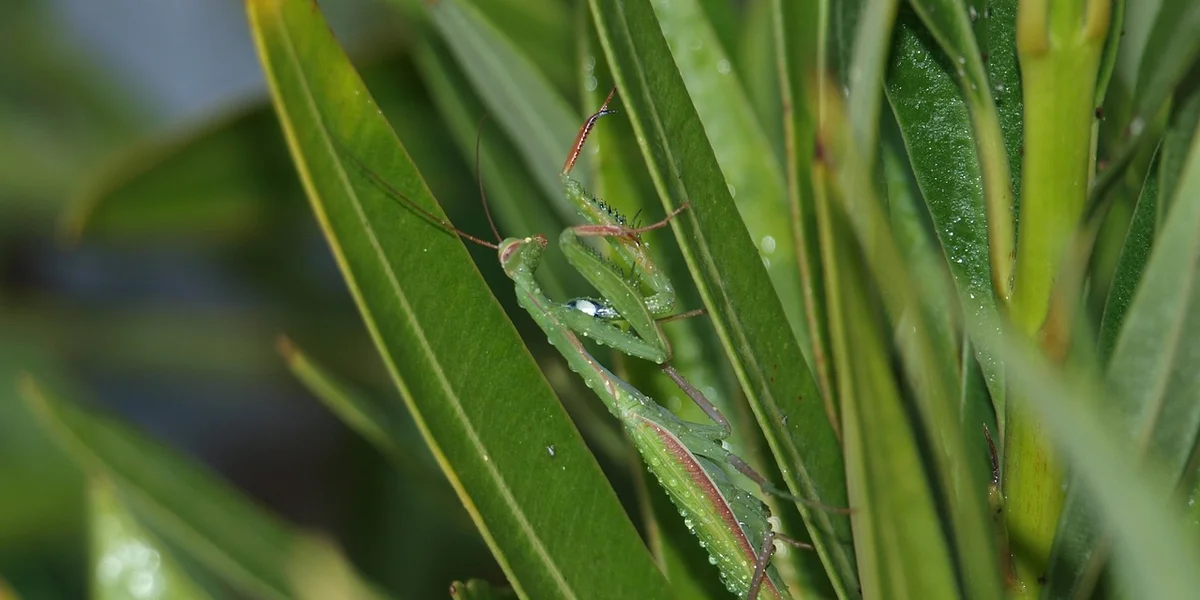
Look for a swollen abdomen that appears rounded and tight, much like an overfilled balloon. This bloating can press on internal organs, making it hard for your mantis to move or breathe comfortably. You might see the exoskeleton stretching thin, with a pale or discoloured sheen where it should be firm and vibrant. Watch for difficulty during molting, as excess weight can cause the old skin to stick, leading to fatal complications. With Luna, my Ghost Mantis, her delicate frills seemed strained after too many meals, a gentle reminder to ease up.
- A visibly distended belly that doesn’t shrink between feedings
- Skin that looks stretched or translucent, especially around the joints
- Reduced mobility, like struggling to climb or perch steadily
- Signs of regurgitation, such as undigested food around the mouth
Notice if the mantis’s colour fades or becomes patchy, a signal that its body is under stress. Over time, a consistently full abdomen can weaken the exoskeleton, making your pet more prone to injuries. We often see this in nymphs who are fed large prey too often, their tiny frames unable to handle the load.
Behavioral Changes That Signal Trouble
Your mantis may become lethargic, spending more time resting and less time exploring its enclosure. A sudden lack of interest in hunting or reacting to movement is a clear red flag that something’s amiss. You might observe it refusing food even when hungry, as an overstuffed gut can cause discomfort. Moss, my Giant Asian Mantis, once turned away from his favourite crickets after a heavy feeding week, his usual curiosity replaced by stillness.
- Decreased activity levels, like staying in one spot for hours
- Aggressive or stressed behaviors, such as frequent striking without cause
- Ignoring prey that would normally trigger a feeding response
- Restlessness before molting, as excess weight complicates the process
Listen for subtle changes, like fewer rustles as it moves, indicating fatigue. These shifts in behaviour often precede physical issues, giving you a chance to adjust care early. We find that nymphs who are power-fed tend to hide more, seeking solitude to cope with the overload.
Creating a Safe Feeding Schedule for Mantis Nymphs
Age-Based Feeding Frequencies
Younger nymphs, like those in their first few instars (L1 to L3), need food every day or two to support rapid growth. As they mature, you can space feedings to every three to four days, allowing their digestive systems to rest. For subadults and adults, a schedule of once or twice a week prevents overfeeding while maintaining health. With Sprig, my Orchid Mantis, I adjusted her meals as she grew, ensuring she never felt overwhelmed.
- L1 to L3 stages: Offer small prey daily, monitoring appetite closely
- L4 to L6 stages: Feed every 2-3 days, depending on activity levels
- Subadult to adult: Provide meals 1-2 times per week, with fasts in between
Always observe your mantis’s abdomen; it should be plump but not bulging after eating. This age-based approach mimics natural cycles, reducing the risk of obesity and molting problems. We’ve found that skipping a meal now and then encourages better hunting instincts and overall vitality.
Choosing the Right Prey Size and Type
Select prey that is no larger than the space between your mantis’s eyes, preventing choking or digestive blockages. Stick to soft-bodied insects like fruit flies for tiny nymphs, gradually introducing small crickets or moths as they grow. Note that praying mantises eat a broad range of insects, so a comprehensive list can help you diversify their diet. Below you’ll find common, safe options you can consider. Avoid hard-shelled beetles or aggressive prey that could harm your pet during feeding. I recall Moss thriving on a mix of flightless fruit flies and pinhead crickets in his early stages.
- For L1-L2 nymphs: Use fruit flies or springtails, which are easy to catch and digest
- For L3-L5 nymphs: Introduce small crickets, aphids, or tiny mealworms
- For older nymphs and adults: Offer larger crickets, flies, or occasional waxworms as treats
Diversity in diet helps prevent nutrient deficiencies and keeps feeding interesting. Rotating prey types ensures your mantis gets a balance of proteins and fats without overloading on any one food. We often raise our own feeder insects to control quality and avoid pesticides.
Tools and Techniques for Controlled Feeding
Use soft-tipped tweezers to hand-feed prey, allowing you to monitor exactly how much your mantis eats. This method lets you remove uneaten food quickly, preventing overfeeding and enclosure mess. A small feeding dish or container within the habitat can help contain live insects, making it easier to track consumption. With Luna, I’d place a fruit fly in a shallow lid, watching her strike with precision.
- Gently hold the prey with tweezers and present it to the mantis’s front legs
- Observe feeding behaviour; stop if the mantis shows disinterest or fullness
- Remove any leftover prey after 15-20 minutes to avoid stress or overeating
- Mist the enclosure lightly after feeding to aid digestion and maintain humidity
Keep a simple journal to note feeding dates and responses, adjusting as needed. Regular, controlled sessions build trust and help you spot changes in appetite early. We find that this hands-on approach turns feeding into a bonding moment, full of quiet observation and care.
What to Do If You’ve Overfed Your Mantis Nymph
Immediate Steps to Mitigate Risks
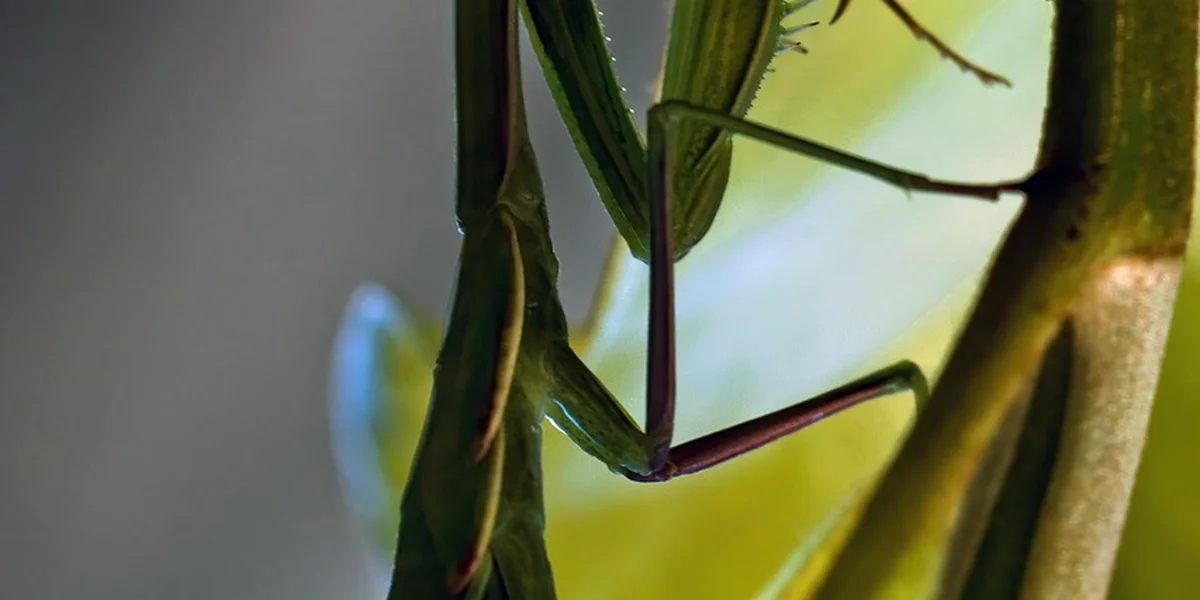
If your mantis nymph’s abdomen looks swollen or it moves sluggishly, act quickly to ease discomfort. First, stop all feeding immediately to prevent further strain on its tiny body. Gently mist the enclosure with warm water to boost humidity, which can aid digestion and mimic a natural, dewy morning. If symptoms persist, check the ultimate mantis health troubleshooting checklist for why my mantis is sick. It helps you follow a clear, step-by-step approach.
Place the nymph in a quiet, dimly lit spot to reduce stress. We often use a spare jar with soft paper towel lining for temporary isolation, allowing closer monitoring without disruptions. Avoid handling unless necessary, as overfed nymphs are more fragile and prone to injury.
Check the temperature stays between 22-26°C, using a small heat mat if needed. This stable warmth helps their metabolism process excess food more efficiently, much like a sun-warmed leaf supports growth. If the nymph struggles to perch, add low, broad branches for easy resting.
- Halt feeding for at least 2-3 days to let the digestive system recover.
- Offer a shallow dish of water droplets for hydration, but don’t force drinking.
- Observe for signs of improvement, like resumed grooming or perching upright.
With my Ghost Mantis Luna, a brief fast after overfeeding helped her shed smoothly. Patience here is key-rushing recovery can lead to molting issues or lethargy.
Long-Term Care for Affected Nymphs
Once the immediate crisis passes, adjust your feeding routine to support steady health. Space meals every 3-4 days, offering prey no larger than the nymph’s head to prevent choking or bloating. This slower pace mirrors the natural feast-and-famine cycles mantises experience in the wild. For detailed guidance, check out our feeding schedule for praying mantises.
Monitor the nymph’s weight and activity levels weekly. We keep a simple journal noting feeding dates and behavior changes, which helps spot patterns early. For nymphs like Moss, my energetic Giant Asian, a varied diet of fruit flies and small moths rebuilt his strength without overloading him.
Ensure the enclosure has proper ventilation and climbing surfaces to encourage movement. Regular, gentle exercise through climbing aids digestion and prevents obesity, much like a breeze rustling through foliage keeps plants resilient. Avoid overcrowding with decorations that limit mobility.
- Introduce gut-loaded prey, like flies fed on nutritious greens, for balanced vitamins.
- Watch for molting signs-if the nymph avoids food before a shed, respect its instinct.
- Consult a vet specializing in invertebrates if lethargy or swelling persists beyond a week.
Recovery can take time, but with consistent care, most nymphs regain their vigor. In the first 30 days, following a complete survival guide for mantis nymphs can boost survival and steady growth. This phase lays the groundwork for healthy molts and safe development. Your attentive approach now lays the foundation for a thriving adult mantis, full of life and curiosity.
Balancing Nutrition for Healthy Mantis Development
Ideal Prey for Optimal Nutrition
Choosing the right prey ensures your mantis nymph grows strong and vibrant. Start with flightless fruit flies for the tiniest nymphs, as their soft bodies are easy to digest and packed with protein. As they molt and grow, graduate to small crickets or moths, which provide essential fats and minerals.
Variety is crucial-rotate prey types to mimic a natural diet. We often offer waxworms sparingly as treats, but rely on houseflies or blue bottle flies for staple nutrition because they’re active and stimulate hunting instincts. This diversity prevents nutrient deficiencies and keeps meals engaging.
Gut-loading prey with fresh vegetables like carrot or apple slices boosts their nutritional value. Well-fed insects pass on vitamins to your mantis, supporting everything from exoskeleton strength to energy levels. For Sprig, my Orchid Mantis, this approach brought out her vivid colors and steady growth.
- Fruit flies: Ideal for L1-L3 nymphs; rich in protein and easy to catch.
- Crickets: Best for larger nymphs; dust with calcium powder weekly for bone health.
- Moths and flies: Encourage natural hunting behaviors; high in moisture for hydration.
Always match prey size to your nymph’s current stage. Oversized prey can cause injury, while too-small options may not meet energy needs.
Common Feeding Mistakes to Avoid
Many new keepers unintentionally harm their nymphs through simple errors. Power-feeding, or offering food too frequently, leads to obesity and molting failures, as the body can’t shed properly under excess weight. We’ve seen nymphs become lethargic and lose their predatory spark when overindulged.
Feeding right before a molt is another pitfall. Mantises naturally fast before shedding, and forcing food can cause them to reject it or become stressed. Watch for signs like reduced appetite or cloudy eyes, and hold off until after the molt completes.
Using wild-caught insects risks pesticides or parasites. Stick to captive-bred prey from reputable sources to keep your nymph safe from hidden toxins. Even a single contaminated insect can upset their delicate systems.
- Avoid feeding only one type of prey; monotony leads to nutritional gaps.
- Don’t leave uneaten prey in the enclosure; it can stress or bite the nymph.
- Skip high-fat treats like mealworms regularly; they’re fine occasionally but cause weight gain.
By sidestepping these errors, you foster a balanced diet that supports lifelong health. Your mindful feeding habits help your mantis nymph flourish into a graceful, resilient adult.
Common Mantis Queries
What should I do if my mantis nymph refuses to eat?
If your mantis nymph isn’t eating, it might be preparing to molt or feeling stressed. Temperature and humidity play a key role in mantis nymph health, and the right climate can support a smooth molt. Wait a couple of days before offering food again and ensure the enclosure stays within the species’ recommended temperature and humidity ranges.
How does humidity impact a mantis nymph’s feeding and molting?
Humidity levels directly affect molting success and digestion, as too low can cause stuck sheds and too high may encourage mold. Maintain consistent humidity through light misting to support healthy growth and feeding behavior.
Can I feed my mantis nymph dead prey, or does it need to be alive?
Mantis nymphs typically prefer live prey because movement triggers their hunting instincts. If using dead insects, gently wiggle them with tweezers to simulate life, but ensure they are fresh to avoid health risks.
Keeping Your Mantis Nymph Healthy and Happy
Feed your mantis nymph a varied diet on a sensible schedule to prevent overfeeding and its associated risks. Observing their abdomen size and behavior helps you adjust portions for optimal growth and molting success, ensuring they receive a complete diet.
As dedicated keepers, we must always prioritize our mantis’s well-being through attentive, informed care. Stay curious and keep exploring mantis care resources to nurture a thriving, long-lived companion. For beginners and seasoned keepers alike, a complete care and handling guide for praying mantises can be invaluable. It highlights safe handling, behavior cues, and welfare-focused practices to keep both you and your mantis comfortable.
Further Reading & Sources
- r/mantids on Reddit: Can you over feed mantids?
- Overfeeding adult mantids? | Arachnoboards
- Still worried about overfeeding your mantis ? …….. | Mantid Forum – Mantis Pet & Breeding Forum
- The overfeeding issue again | Mantid Forum – Mantis Pet & Breeding Forum
Rowan Hale is a lifelong insect enthusiast who fell in love with mantises for their calm presence, alien elegance, and surprising personalities. After years of keeping and raising a variety of species, Rowan shares practical tips, creative insights, and real-world experience to help others enjoy the quiet magic of mantis care. From setting up the perfect enclosure to understanding their subtle behaviors, Rowan invites readers into a gentle, curious world where every tiny movement feels like a discovery.
Feeding