
Why Is Your Mantis’s Abdomen Pulsating?
Published on: January 23, 2026 | Last Updated: January 23, 2026
Written By: Rowan Hale
Hello fellow mantis friend, have you ever settled in to watch your green companion and noticed a soft, rhythmic pulsing in its abdomen, like a tiny heartbeat under the leaves?
This gentle movement is most often your mantis breathing deeply or preparing for a molt, a natural and healthy part of its life cycle.
While usually harmless, the reasons behind that pulsing can vary, and knowing what to look for helps you care for your insect with confidence.
We will walk through the common causes together, so you can understand your mantis’s behavior better.
- Why breathing and molting make the abdomen pulse
- When pulsing might signal something to watch closely
- Simple steps to support your mantis during these times
What Does Mantis Abdomen Pulsation Look Like?
When a mantis’s abdomen pulsates, you’ll notice a gentle, rhythmic expansion and contraction-almost like a soft, wave-like motion flowing along its segmented underside. This pulsing often resembles a quiet, slow breath, with the abdomen subtly swelling and easing back in a steady cadence. It’s usually most visible when your mantis is perched still, perhaps after a meal or during a restful moment.
Unlike grooming, where legs briskly clean antennae or wings in quick, deliberate strokes, abdomen pulsation is smoother and more consistent. Feeding movements are far more rapid and jagged, with sharp strikes and vigorous chewing, while pulsation remains calm and uninterrupted. Think of it as the difference between a cat’s leisurely stretch and its frantic paw-washing-one is fluid and rhythmic, the other is brisk and purposeful.
To observe without disturbing your mantis, settle into a comfortable spot a short distance away and use soft, natural lighting if possible. We find that avoiding direct eye contact and moving slowly helps keep your mantis at ease, much like watching a shy garden visitor from a hidden bench. Let your gaze soften; you might even notice the faint rustle of leaves outside mimicking the gentle pulse within the enclosure.
Is Abdomen Pulsation Normal in Praying Mantises?
In most cases, abdomen pulsation is a perfectly healthy part of mantis biology, linked to everyday bodily functions. This rhythmic movement often aids in digestion or respiration, helping your mantis process a recent meal or circulate air through its system. Just like our own quiet breaths after a hearty dinner, it’s a sign that everything is working as it should.
You’ll typically see this pulsation in situations like after feeding, when the abdomen is full and needs to manage the extra volume. It’s also common before molting, as the body prepares to shed old skin, or during periods of rest when metabolic processes are quietly active. My ghost mantis, Luna, often shows this soft pulsing an hour or so after she’s eaten, her misty-brown frame easing into a contented rhythm.
Rest assured, if your mantis is otherwise active, eating well, and perched securely, there’s no cause for alarm. We’ve watched many mantises, from energetic Moss to delicate Sprig, pulse peacefully without any issues-it’s simply their body’s gentle way of keeping things in balance. Think of it as a quiet hum of life, much like the steady drip of water in a well-tended terrarium. Their behavior does evolve as they mature, but pulsing is just one of those calm, rhythmic cues.
Common Reasons for Normal Abdomen Pulsation
Respiration and the Tracheal System
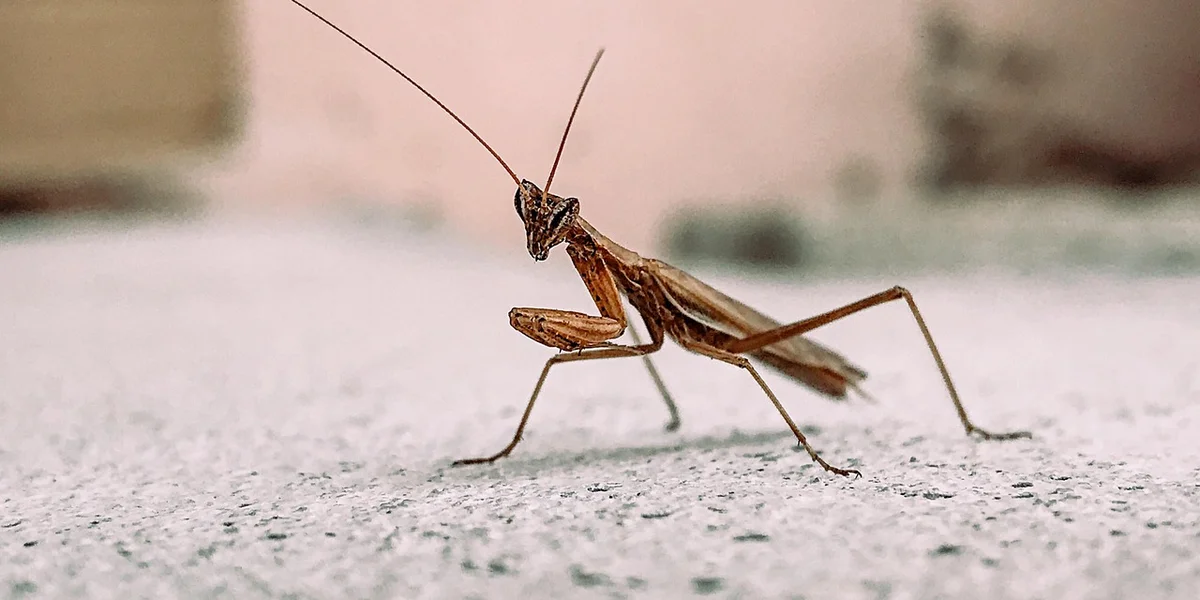
Mantises don’t have lungs like we do. They breathe through tiny openings along their sides called spiracles. The gentle pulsing you see is their abdomen actively pumping air through this intricate tracheal system to deliver oxygen throughout their body. It’s a quiet, rhythmic process, much like the slow rise and fall of a resting creature’s chest.
This breathing rate isn’t constant. Warmer temperatures and higher humidity levels in their enclosure can cause the pulsations to become more frequent and noticeable. Think of it as their version of panting lightly on a warm day to regulate their internal state.
My Ghost Mantis, Luna, often shows the most distinct abdominal movement when she’s perched in her warm spot, simply processing the day.
Digestion and Hemolymph Circulation
After a hearty meal, a mantis’s abdomen will often shift and pulse as its body gets to work. This movement helps with the physical breakdown of food and the circulation of hemolymph, the insect equivalent of blood. The abdomen acts as a central pump, distributing nutrients and hydraulic pressure to their limbs and wings.
You’ll typically observe a soft, wave-like motion across their belly. A consistent, slow pulsation for an hour or so after feeding is a perfectly normal sign of a healthy, digesting mantis. It means their system is actively processing the meal you provided. Watch for the difference between normal digestion and trouble: healthy mantises stay reasonably active and responsive, while prolonged lethargy or a lasting refusal to eat can signal a problem.
My Giant Asian Mantis, Moss, always has a visibly active abdomen after he accepts a cricket, a sure sign he’s enjoying his dinner.
Molting and Growth Cycles
Molting is a vulnerable and energy-intensive process. In the days leading up to a molt, you might see increased abdominal pulsation as your mantis builds up internal pressure and fluid to split its old exoskeleton. This is their body preparing for its great escape. This is what molting looks like in a praying mantis.
The molting process itself involves several key steps where movement is expected:
- The mantis finds a secure spot and hangs upside down.
- Its body begins to swell and pulse rhythmically.
- The old skin splits along the back, and the mantis carefully wriggles out.
- After emerging, the abdomen may continue to pulse gently as the new, soft exoskeleton expands and hardens.
A successful molt concludes with a still, resting mantis and a perfectly shed exoskeleton left behind. Complications are rare but look for a mantis that remains stuck in its old skin or shows labored, frantic pulsation long after the molt should be complete.
When Abdomen Pulsation Signals a Problem
Stress Responses and Environmental Factors
Sometimes, that pulsing is a whisper of distress. Common triggers include frequent handling, sudden loud noises, vibrations, or the presence of perceived predators like other pets near the enclosure. An incorrect habitat-be it the wrong temperature, insufficient humidity, or a cage that’s too small-can also cause chronic stress.
This kind of stress affects their nervous system directly. You might notice the pulsations become faster, shallower, or more erratic compared to the calm, steady rhythm of respiration. The mantis may also freeze in a defensive pose or try to flee. These signs indicate stress in your praying mantis.
To create a peaceful home and reduce stress, follow these simple steps:
- Place the enclosure in a quiet, low-traffic area of your home.
- Ensure temperature and humidity levels are consistently correct for your mantis species.
- Provide plenty of foliage and climbing surfaces for hiding and security.
- Limit handling to only when absolutely necessary.
Health Issues: Dehydration, Injury, or Parasites
Abnormal pulsation can be a red flag for underlying health problems. Look for these symptoms paired with the unusual abdominal movement: a shriveled or shrunken abdomen, lethargy, loss of appetite, or an inability to grip properly.
Dehydration is a common culprit. Without enough moisture, a mantis’s hemolymph thickens, disrupting the normal hydraulic functions and causing strained, irregular abdominal pulses. A shallow water dish and regular, gentle misting are often the simplest cures.
Physical injury to the abdomen or the presence of internal parasites can also cause distress. Watch for pulsation that seems localized to one spot or is accompanied by a visible wound, discoloration, or a general decline in your mantis’s condition. Early detection is your best tool for helping them recover; for more tips, check out The Ultimate Mantis Health Troubleshooting Checklist.
How to Assess Your Mantis’s Pulsation Health
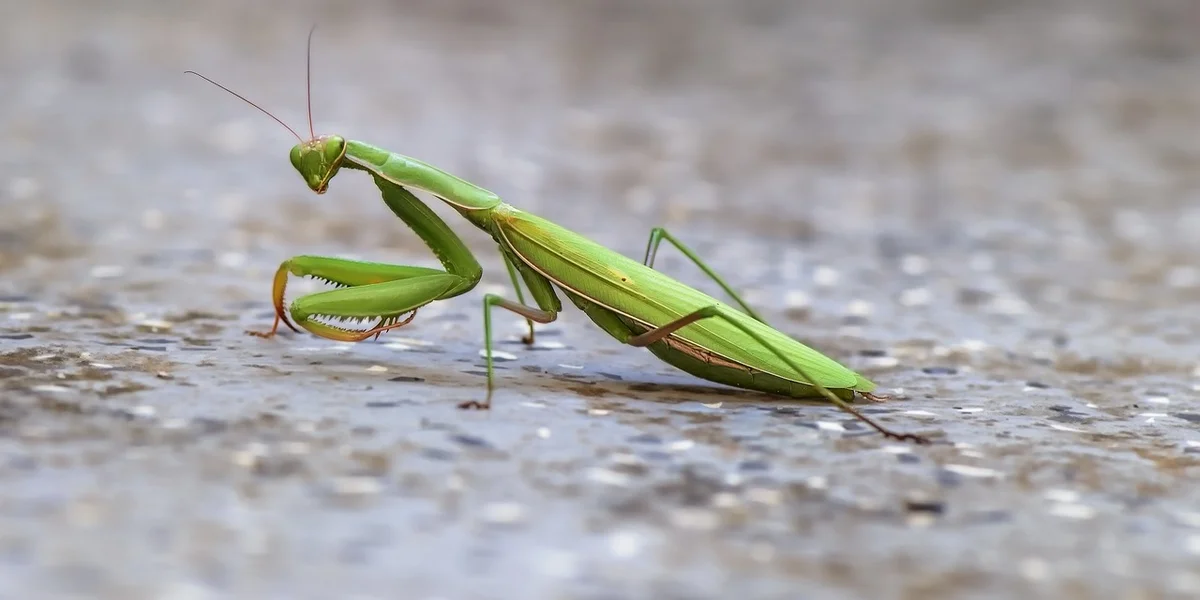
When your mantis’s abdomen starts to pulse, it’s like watching a tiny heartbeat-sometimes it’s perfectly normal, other times it whispers a need for attention. We can start by gently observing these moments to piece together the story behind each ripple and twitch.
-
Watch how your mantis behaves during pulsation-whether it’s calmly perched or showing signs of distress. For example, my Ghost Mantis, Luna, often pulsates softly after a meal, her body still and head tilted as if in deep thought. If your mantis is actively hunting or grooming during pulsation, it’s likely a healthy rhythm. But if it’s frantically pacing or hiding, that could signal stress or discomfort. To tell if it’s hungry or full, watch how it responds to food: a hungry mantis will eagerly approach and strike prey, while a full mantis may ignore or barely touch offered prey.
-
Look for other clues like lethargy or a sudden lack of interest in food. A mantis that usually springs to life for prey-like Moss, my energetic Giant Asian-but now sits listlessly might be telling you something isn’t right. Check for changes in colour, like dulling or dark patches, which can hint at underlying issues.
-
Keep an eye on the enclosure’s temperature and humidity levels with a simple digital gauge. Mantises, especially delicate types like Orchid Mantises, thrive in stable environments; aim for 22-28°C and 60-80% humidity. A sudden drop can cause irregular pulsations, much like a gentle breeze stirring leaves in a terrarium.
-
Compare the pulsation frequency to what you’ve seen before to spot deviations. Jot down notes in a small journal-how often it happens, how long it lasts. Over time, you’ll build a baseline, making it easier to notice if things shift from a soft, occasional pulse to a frantic, constant one.
Caring for a Mantis with Abnormal Abdomen Pulsation
If the pulsation seems off-kilter, don’t worry—we can make small, nurturing changes to help your mantis feel secure again. Think of it as tuning the environment to match their natural rhythms, much like adjusting the light in a cozy greenhouse. For safety, introduce any new plant gradually and only use non-toxic, pesticide-free greenery. Observe your mantis’s reaction as you place it, and proceed if it seems settled.
-
Make gentle tweaks to habitat conditions, such as slightly raising humidity with a light misting or ensuring consistent warmth. Avoid drastic shifts; instead, add a damp paper towel or move the enclosure away from drafts. For Sprig, my shy Orchid Mantis, a subtle increase in misting eased her pulsations without overwhelming her delicate petals.
-
Isolate your mantis only if you notice severe symptoms like constant pulsation with lethargy, and seek expert care if it worsens. If your mantis isn’t improving after a day or two of adjustments, contact a specialised vet or experienced keeper. It’s better to err on the side of caution, much like sheltering a tender plant from a storm. This also ties into why mantis nymphs die and how to prevent it. Common culprits include improper temperature, humidity, lighting, and nutrition, with straightforward fixes you can try.
-
Use calming techniques like quiet handling with a soft brush and reducing noise around the enclosure. This helps you safely handle and interact with your praying mantis. Move slowly and keep handling brief to minimize stress. When you need to move your mantis, guide it gently onto your hand or a stick, speaking in low tones to avoid startling it. Offer hiding spots with live plants to mimic a natural, serene setting where it can rest and recover.
Questions from Fellow Mantis Friends

Is a pulsating abdomen normal in mantises?
Yes, abdomen pulsation is often a healthy sign linked to natural processes like breathing or digestion in mantises. It typically occurs during rest, after meals, or before molting without any cause for concern.
Could a pulsating abdomen indicate illness or distress in a mantis?
Yes, abnormal pulsation can signal issues such as stress, dehydration, or injury if it appears erratic or frantic. Look for accompanying signs like lethargy or a shrunken abdomen to determine if veterinary care is needed.
How can I tell if a mantis abdomen pulsation is normal or a sign of a problem?
Assess the pulsation by noting its rhythm and context, such as whether it happens during calm periods or is paired with unusual behavior. Compare it to your mantis’s baseline habits and check habitat conditions for any deviations that might indicate distress or other behavioral signs of stress.
Wrapping Up Your Mantis Care Journey
Mantis abdomen pulsing is often linked to breathing or digestion, so observing your pet’s overall behavior helps you spot any concerns early. Always check that your mantis’s habitat has proper humidity and temperature to support its natural rhythms.
Responsible pet ownership means staying curious and attentive to your mantis’s unique needs as you both grow together. We encourage you to keep exploring mantis care resources to build a happy, healthy life for your fascinating friend.
Further Reading & Sources
- Mantis Abdomen Pulsating | Mantid Forum – Mantis Pet & Breeding Forum
- The Pulsating Abdomen of a Praying Mantis – YouTube
- Praying mantis abdominal collapse- – BugGuide.Net
- Rhythmic abdominal pumping movements in praying Mantises (Insecta: Mantodea) | Fragmenta entomologica
Rowan Hale is a lifelong insect enthusiast who fell in love with mantises for their calm presence, alien elegance, and surprising personalities. After years of keeping and raising a variety of species, Rowan shares practical tips, creative insights, and real-world experience to help others enjoy the quiet magic of mantis care. From setting up the perfect enclosure to understanding their subtle behaviors, Rowan invites readers into a gentle, curious world where every tiny movement feels like a discovery.
Common Health Issues